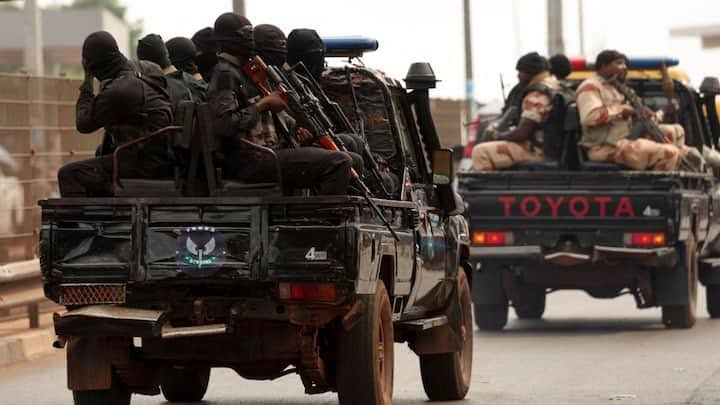
Guinea‑Bissau in Turmoil: Soldiers Seize Power Hours After Contested Election
Imagine waking up to the sound of gunfire and the news that the army has taken over the capital – that’s exactly the scene in Bissau this morning. Within hours of a disputed presidential poll, soldiers led by the Chief of Army Staff stormed the government, arrested the president and top opposition figures, and slammed the country’s constitution shut. The shockwave is already rattling the whole of West Africa.
What sparked the coup?
According to France24, the troops acted on an intelligence tip that a handful of politicians and a notorious drug baron were scheming to rig the upcoming election and sow chaos. The army’s justification reads like a thriller: “We cannot allow the nation to be dragged into instability by corrupt elites.”
Political backdrop – a president who broke his own promise
President Umaro Sissoco Embaló first took office in 2019, swearing to serve a single five‑year term (2019‑2025). Yet, midway through, he announced a second term, sparking fury inside his own party and across the opposition. In 2023 he dissolved the National Assembly – which was dominated by the PAIGC – and started ruling by decree, arguing the legislature was a roadblock to progress.
This heavy‑handed style left many Guineans feeling ignored, and the political tension was already simmering when the Sunday presidential vote rolled around.
Election night drama – three claim victory
The Sunday poll turned into a circus. Embaló, who had already proclaimed himself the early winner, said he secured over 50 % of the vote. At the same time, third‑place contender Fernando Dias also announced a >50 % win, insisting the numbers were in his favour.
The main opposition party, PAIGC, led by Domingos Simões Pereira, was barred from the race after the Supreme Court said they filed their documents with the National Electoral Commission (NEC) too late. Pereira threw his support behind Dias, hoping to consolidate the anti‑Embaló vote.
Arrests, bunker lockdown and borders shut
In a swift move, the army rounded up President Embaló, Domingos Simões Pereira, Fernando Dias, Interior Minister Botché Candé, and two senior generals – Biague Na Ntan and Mamadou Touré. All are being held in an underground bunker at the military headquarters.
With the key political figures locked away, the soldiers announced the suspension of the constitution, halted the election process, and sealed the borders indefinitely. Portugal, the former colonial power, urged that the election continue, while ECOWAS and the African Union promptly condemned the coup.
Why this isn’t the first shock
Guinea‑Bissau is no stranger to military meddling – 17 coups (five successful) since independence in 1973. The last successful takeover was on 12 April 2012, and this is the fourth coup attempt under Embaló’s watch. Just three weeks ago, a separate coup plot was foiled and several officers were arrested.
Many locals say the coup was “bound to happen”. After years of ruling by decree, neglecting basic services, and chasing political survival, Embaló’s government lost its legitimacy in the eyes of ordinary Bissau‑Guineans.
Regional ripple effects
With the military now in control, Guinea‑Bissau joins a growing list of African states under junta rule – Mali, Guinea, Burkina Faso, Niger, Chad, Sudan, Gabon and Madagascar. The pattern raises fresh worries for ECOWAS, which has already deployed diplomatic teams to the region.
For Nigerians watching from Lagos to Kano, the unfolding drama feels eerily familiar. It’s a reminder that political promises, when broken, can quickly turn into street‑level chaos.
What’s next?
The NEC had planned to release the official results this Thursday, but the commission’s headquarters was also attacked, effectively canceling any announcement. With the constitution suspended and borders sealed, the country’s future hangs in a precarious balance.
International bodies are pushing for a return to civilian rule, while the soldiers claim they are safeguarding the nation from a corrupt elite. As the story develops, Nigerians are likely to keep a close eye on how the West African bloc responds – and whether the coup will usher in a new era of instability or a swift return to democratic order.
One thing’s for sure: the streets of Bissau are buzzing, and the whole of West Africa is holding its breath. Stay tuned, because Update Villa will keep you posted on every twist and turn.