Goodluck Jonathan Escapes Guinea‑Bissau Coup: What Happened and Why Nigerians Should Care
Picture this: the former President of Nigeria, Goodluck Jonathan, suddenly finds himself in the middle of a military coup in tiny Guinea‑Bissau. The news hit our timelines this afternoon like thunder on a Lagos street – shocking, fast‑moving, and full of drama. How did the ex‑Governor of Bayelsa end up trapped, and what does his narrow exit tell us about the volatile politics shaking West Africa?
Why Was GEJ in Guinea‑Bissau Anyway?
Jonathan wasn’t on a holiday cruise. He was part of a high‑profile delegation sent by ECOWAS, the African Union and the West African Economic Forum (WAEF) to monitor the country’s Sunday elections. Those polls were meant to cement a fragile democratic transition, but the ballot turned into a flashpoint, sparking a sudden military takeover.
The coup leaders seized power within hours, throwing the nation into chaos. As the situation spiraled, the military junta locked down the capital and announced that all borders were now open – a classic move to project control while keeping key figures under watch.
How the Ex‑President Got Out Alive
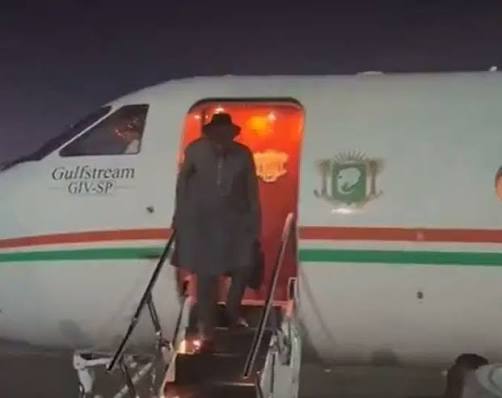
Late afternoon reports from the Ministry of Foreign Affairs, via spokesperson Kimiebi Ebienfa, confirmed that the junta’s security forces escorted Jonathan, his team and the renowned diplomat Mohamed Chambas to a private airstrip on the outskirts of Bissau. From there, a special flight whisked them out of the country, safely bypassing the underground prison where the coup’s senior officers were being held.
It was a tense moment for anyone watching the live feed – the world wondered if the former president would be caught in the crossfire. Thanks to the swift diplomatic push from ECOWAS and the presence of seasoned observers, the ex‑leader walked away unharmed.
The Bigger Picture: Coup Fever in West Africa
Guinea‑Bissau’s takeover marks the fifth successful coup out of seventeen attempts since 1973. While each seizure has its own local flavor, the pattern signals a growing appetite for military solutions to political gridlock across the region.
For Nigerians, this is a wake‑up call. Our own 2023 elections were closely watched, and the specter of a similar power grab looms whenever institutions appear weak. The @CitizenMonitors call‑to‑action – “observe the next Nigerian elections in real time, no glitches” – is more than a hashtag; it’s a reminder that vigilance can keep democracy alive.
What It Means for Nigeria
First, the episode underscores the importance of regional bodies like ECOWAS. Their rapid deployment of observers helped shield Jonathan and sent a clear message to the coup plotters that the international community is watching.
Second, it highlights the need for robust election monitoring at home. If Nigerians want to avoid a repeat of Guinea‑Bissau’s drama, we must demand transparent results, real‑time tracking, and accountability – exactly what the CitizenMonitors platform promises.
Lastly, the incident reminds us that political stability is fragile. Whether it’s a former president in exile or a young voter at a polling unit, every stakeholder has a role in keeping the democratic ship steady.
Where Do We Go From Here?
The military junta now controls Guinea‑Bissau, has reopened its borders, and keeps its senior officers locked in an underground cell. The international community is already weighing sanctions and diplomatic pressure, but the real story will unfold in the months ahead as the country attempts to return to civilian rule.
For Nigerians, the lesson is clear: stay informed, stay engaged, and keep the conversation alive on social media. Share this story, tag your friends, and join the monitoring effort – because when we watch together, we make it harder for any rogue force to pull the rug from under our democracy.
So, una don hear? Let’s keep our eyes peeled, our voices loud, and our votes counted. The future of West Africa may just depend on it.