Pakistan Pushes for Stronger Ties with Nigeria: What It Means for Our Economy
Imagine a new partnership that could bring more jobs, cheaper goods and fresh investment to Naija. That’s exactly what Pakistan’s government is pitching to Abuja – a deeper diplomatic and economic bond that could reshape trade routes for both nations. The timing feels right, with both countries hunting for new markets and strategic allies.
What Sparked the Call for Closer Relations?
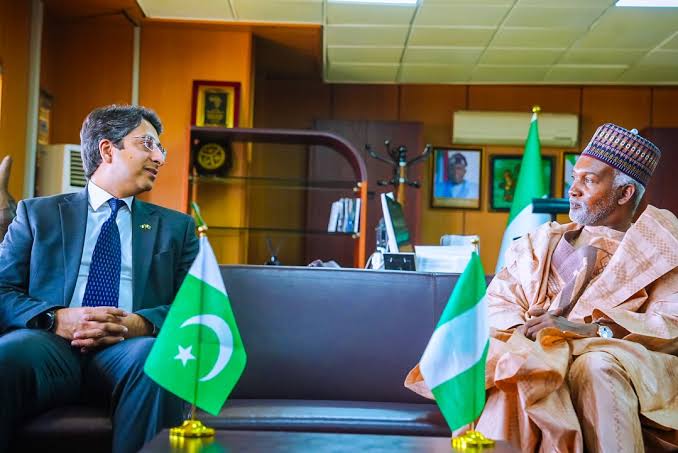
Late last week, Pakistan’s foreign ministry sent a formal note to Nigeria, urging the two governments to step up cooperation on every front – from politics to commerce. The message was clear: Pakistan wants a stronger voice in Africa, and Nigeria is the gateway. For Nigeria, the overture arrives as the country looks to diversify its trade partners beyond the traditional Western bloc.
Historical Ties and Shared Interests
While the two nations have never been best friends, they do share a modest history of diplomatic exchanges and occasional trade. Both are members of the Commonwealth, and they’ve cooperated in multilateral forums like the United Nations. What’s new now is the push to turn those soft ties into hard, tangible projects.
Key Sectors Poised for Collaboration
Pakistan’s economy leans heavily on textiles, agriculture, information technology and pharmaceuticals – sectors where Nigeria also has huge demand and growing capacity. Here’s a quick look at where the synergy could spark:
- Textiles: Pakistani fabric manufacturers could supply raw material to Nigerian garment factories, cutting costs and speeding up production.
- Agriculture: Joint research on drought‑resistant crops could boost yields for both nations, especially in the Sahel‑like zones of northern Nigeria.
- IT & FinTech: Nigerian tech hubs such as Yaba could partner with Pakistani software firms to co‑develop apps for mobile banking and e‑commerce.
- Pharmaceuticals: Pakistan’s generic drug industry could help lower medicine prices in Nigeria, addressing a chronic health‑care challenge.
Each of these areas promises not just trade volume, but knowledge transfer and job creation on the ground.
Potential Investment Flows
Pakistani investors have shown interest in Africa’s energy sector, and Nigeria’s oil‑gas landscape is a natural draw. Beyond hydrocarbons, renewable energy projects – solar farms in the north, wind turbines along the coast – could see joint financing. Moreover, Pakistani construction firms, known for cost‑effective building solutions, might bid on Nigeria’s infrastructure mega‑projects, from highways to housing estates.
What This Means for Nigerian Consumers
For the average Nigerian, deeper ties could translate into cheaper imported goods, especially clothing and medicines. It could also mean more tech jobs as startups tap into Pakistani expertise. And with increased competition, local producers may be nudged to up their game, driving quality up and prices down.
Why This Really Matters
Beyond the numbers, the partnership signals a shift in how African nations are positioning themselves on the global stage. By courting Pakistan, Nigeria signals openness to South‑South collaboration, reducing over‑reliance on Western markets. This diversification can buffer the economy against external shocks, such as fluctuating oil prices or trade bans.
Furthermore, the diplomatic boost could see Nigeria gaining a stronger voice in multilateral bodies where Pakistan also has sway, from the UN to the Islamic Development Bank. Such alliances can translate into better financing terms for Nigerian development projects.
Challenges to Watch Out For
Of course, no partnership is without hurdles. Differences in regulatory standards, logistics bottlenecks, and the need for robust legal frameworks could slow progress. Both governments will need to iron out visa policies, customs procedures and protect intellectual property to make the collaboration seamless.
Looking Ahead
Both Abuja and Islamabad have pledged to set up a joint task force within the next few months. Expect a series of business forums, trade delegations and perhaps a memorandum of understanding covering the sectors highlighted above. If the momentum stays alive, we could be witnessing the birth of a new trade corridor that stretches from Lagos to Karachi.
What do you think, Nigerians? Are you excited about the prospect of Pakistani fabrics in your market, or wary of new competition? Drop your thoughts below – let’s discuss how this budding partnership could reshape our everyday lives.