Wike Slams Opposition Over Insecurity Claims, Sparks Heated Debate
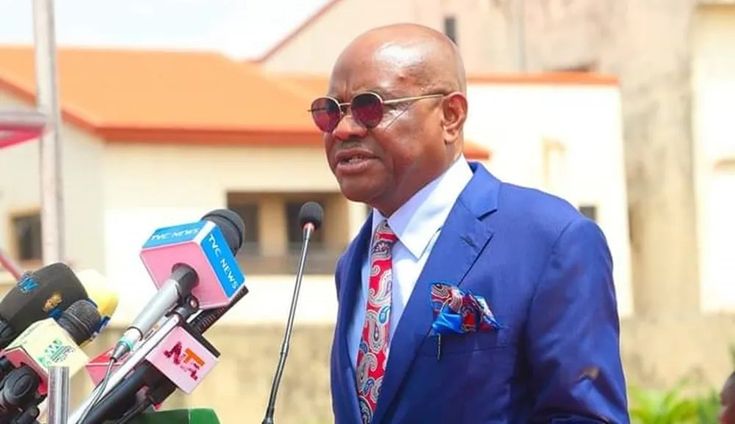
When Nyesom Wike, the Minister of the Federal Capital Territory, stepped onto the stage last week, he didn’t merely comment on Nigeria’s security challenges – he launched a fierce attack on political rivals, insisting that accusations of Christians being singled out are nothing more than a political ploy. The remark set social media ablaze, with market traders, students and even the usual WhatsApp chatter buzzing about whether the governor‑turned‑minister is defending truth or protecting his own agenda.
What Wike Said
In a televised interview, Wike dismissed the narrative that Christian communities are being specifically targeted in the wave of kidnappings, banditry and communal clashes that have plagued the country. He argued that the claim is a “manufactured story” designed to tarnish the government’s image ahead of the 2027 elections. According to him, the security forces are battling a broad‑based threat that cuts across religious lines, and singling out any faith only distracts from the real work needed on the ground.
Wike also warned that opposition politicians are exploiting the insecurity issue to rally support from religious groups, thereby deepening divisions at a time when unity is crucial. He called for a “national conversation” based on facts, not on emotive rhetoric that fuels panic.
Opposition’s Counter
Opposition leaders were quick to fire back, insisting that the minister is downplaying genuine grievances from Christian communities that have suffered attacks in the North‑East and parts of the South‑West. They pointed to recent reports from NGOs and local churches documenting kidnappings, church burnings and targeted killings.
One senior opposition figure accused Wike of “politicising tragedy” and urged the federal government to release transparent data on casualties by religion. They argued that acknowledging any pattern, however small, is essential for crafting effective security policies.
Public Pulse
The reaction among ordinary Nigerians has been mixed. In Lagos, market women were seen discussing the minister’s comments over fresh produce, some agreeing that insecurity is a national problem, while others felt their fears were being dismissed. In the North, community leaders expressed frustration that their calls for protection are being labelled as political games.
On Twitter, hashtags like #WikeVsOpposition and #InsecurityDebate trended for several hours, with users sharing personal stories of loss, calling for accountability, and demanding that the government stop using religion as a political weapon.
Key Takeaways
- Wike labels the claim of targeted Christian killings as a political fabrication.
- Opposition parties argue that the minister is ignoring documented incidents affecting Christian congregations.
- Public opinion is split, with many Nigerians demanding transparent data and genuine action.
- The debate highlights how security, religion and politics are increasingly intertwined in the lead‑up to the next election cycle.
Why This Really Matters
Beyond the heated rhetoric, the dispute matters because it shapes how resources are allocated to combat insecurity. If religious bias is dismissed outright, victims may feel alienated and less likely to cooperate with security agencies, hampering intelligence gathering. Conversely, inflaming sectarian narratives can deepen mistrust between communities, making reconciliation harder. For a nation already grappling with banditry, farmer‑herder clashes and insurgency, a united front grounded in factual evidence is essential for any lasting solution.
Looking Forward
Analysts suggest that the government should set up an independent commission to audit security incidents by region and, where possible, by religious affiliation. Such a body could provide the hard data needed to move the conversation from speculation to policy. Meanwhile, civil society groups are calling for inter‑faith dialogues that address safety concerns without turning them into political ammunition.
In the meantime, Nigerians continue to watch, wait, and wonder whether their leaders will rise above partisan squabbles to protect every citizen, regardless of creed.
What do you think – is Wike’s defence of the government a necessary reality check, or does it risk silencing genuine fears of religiously‑targeted violence?