Ghana Accepts West African Deportees from the U.S., Facilitates Nigerians’ Return Home
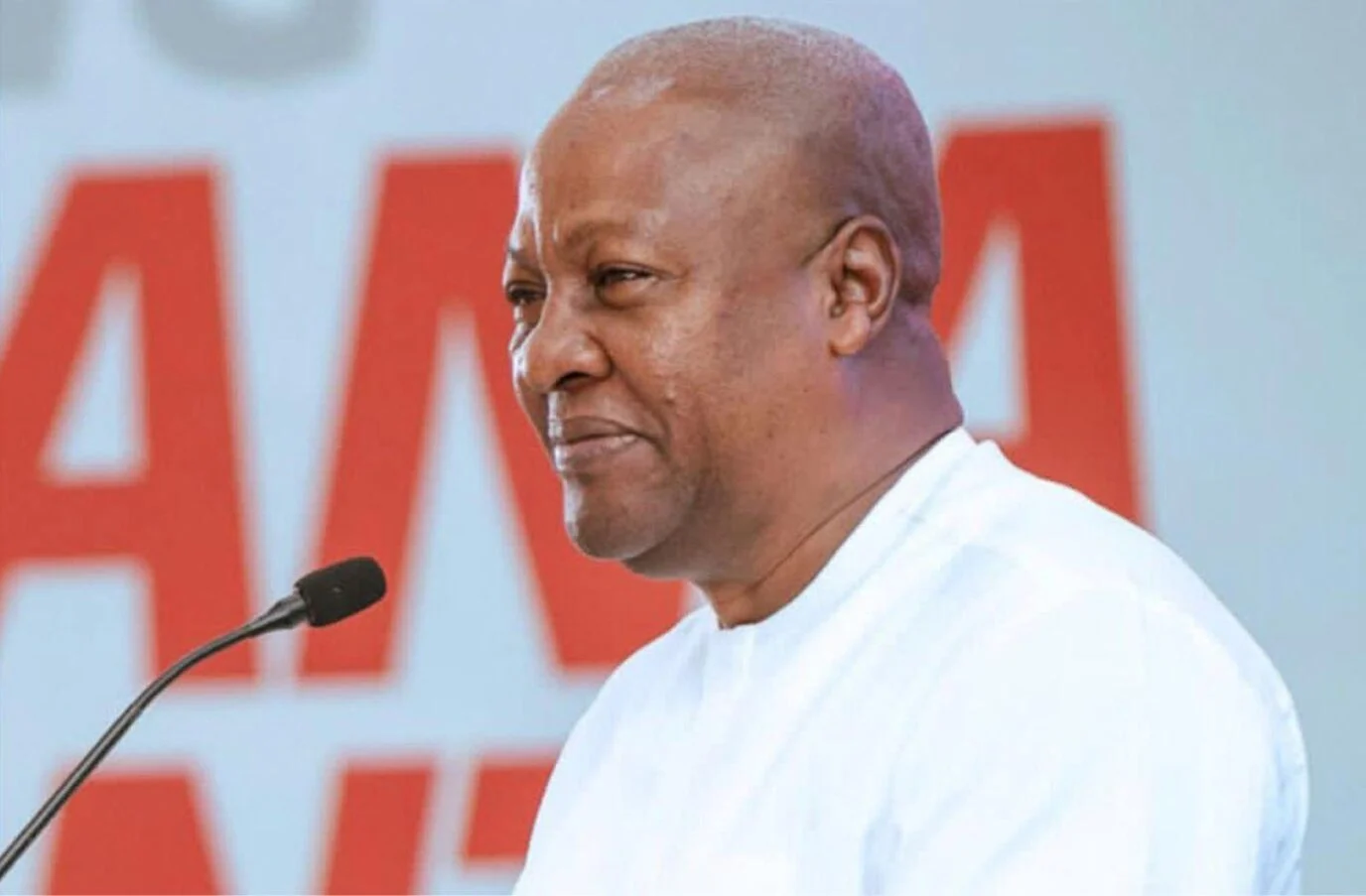
President John Mahama of Ghana has confirmed that the country has started receiving West African nationals, including Nigerians, who were deported from the United States.
According to the BBC, Mahama made the announcement on Wednesday, explaining that the decision was reached through a bilateral agreement with Washington and aligned with the Economic Community of West African States (ECOWAS) protocol on free movement.
The president revealed that the first group of 14 deportees—comprising Nigerians, a Gambian, and other West Africans—had already arrived in Accra. He noted that Ghana assisted in transporting the Nigerians back home by bus, while arrangements were still being made to help the Gambian national return to their country.
“We were approached by the U.S. to accept third-party nationals who were being removed,” Mahama said.
“We agreed that West African nationals would be accepted since citizens of ECOWAS countries don’t require visas to enter Ghana.”
Mahama admitted that relations between Ghana and the United States had faced challenges due to tariffs on Ghanaian exports and visa restrictions affecting Ghanaian citizens. However, he emphasized that the overall partnership remained positive despite these strains.
The development comes against the backdrop of Washington’s intensified deportation drive under President Donald Trump, whose administration has pursued policies of relocating migrants to “third countries” as part of a tougher stance on immigration.
In recent months, the U.S. has deported seven people to Rwanda, five to Eswatini, and eight to South Sudan. Human rights organizations have criticized this practice, arguing that forcing migrants to countries other than their own exposes them to serious risks and undermines their fundamental rights.
Some African nations, including Nigeria, have declined U.S. requests to accept such deportees. In July, Nigeria’s foreign affairs minister, Yusuf Tuggar, stated that the government would not yield to pressure to receive third-country deportees, citing concerns about national security and economic implications.