Bishop Kukah Says No Proof of Christian Persecution or Genocide in Nigeria
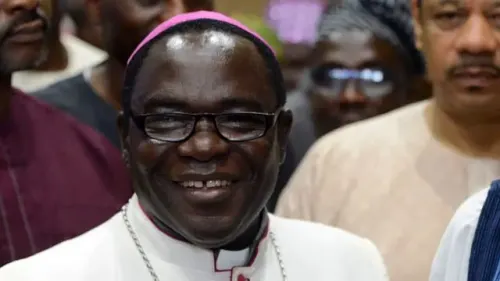
When rumours of a systematic assault on Christians started buzzing across WhatsApp groups, many Nigerians braced for another crisis. The chatter grew louder after a few isolated attacks were labelled as part of a wider genocide. But the Catholic Bishop of Sokoto, Hassan Kukah, has stepped forward to debunk the hype, insisting there is no concrete evidence of a coordinated persecution.
Who is Bishop Hassan Kukah?
Born in the northern state of Sokoto, Bishop Kukah rose through the clerical ranks to become the head of the Sokoto Diocese. Apart from his pastoral duties, he chairs the National Peace Committee, a body that mediates inter‑religious disputes across the country. His voice carries weight, especially when it comes to matters that could inflame communal tensions.
What Prompted the Accusations?
Earlier this year, a handful of churches in the north‑central region reported vandalism and alleged kidnappings. Social media users, quick to share sensational headlines, painted these incidents as part of a larger anti‑Christian campaign. Some politicians even hinted at a “genocide” narrative to rally support ahead of upcoming elections.
While any act of violence is condemnable, the leap from isolated crimes to a nationwide genocide was, according to many observers, a stretch.
Kukah’s Findings and Statements
In a recent press briefing, Bishop Kukah presented a detailed review of police reports, hospital records, and eyewitness accounts collected over the past twelve months. He highlighted three key points:
- Most attacks were linked to criminal gangs, not religious motives.
- There has been no statistical surge in killings targeting Christians compared to previous years.
- Government and security agencies have responded promptly to reported incidents.
He concluded that while Christians, like any other Nigerians, deserve protection, the evidence does not support claims of an orchestrated genocide.
Reactions from Faith Leaders and Citizens
Some church leaders welcomed Kukah’s balanced assessment, urging believers to avoid panic and focus on unity. Others, however, felt the bishop was downplaying genuine fears, insisting that even sporadic attacks can erode confidence in the state’s ability to safeguard minorities.
On the streets of Lagos and Abuja, ordinary Nigerians expressed mixed feelings. A market trader from Kano said, “If the bishop says it’s not a genocide, I trust him because he’s known for honesty.” Meanwhile, a youth activist from Enugu warned, “We must stay vigilant; complacency can be dangerous.”
Broader Context of Religious Tensions
Religious coexistence in Nigeria has always been a delicate dance. Historical flashpoints—like the 2002 Jos crises or the 2011 Kaduna riots—still linger in collective memory. In recent years, competition over land, resources, and political representation has occasionally spilled over into faith‑based clashes.
Nevertheless, the country also boasts countless examples of inter‑faith cooperation: joint charity drives, shared market spaces, and inter‑religious councils that meet monthly. Bishop Kukah’s call for calm is a reminder that these collaborative threads are stronger than the occasional frayed knot.
Why This Really Matters
Accusations of genocide can ignite fear, fuel hate speech, and even justify heavy‑handed security measures that infringe on civil liberties. By grounding the conversation in verified data, Kukah helps prevent misinformation from steering public policy in the wrong direction. Moreover, a clear, fact‑based narrative encourages communities to focus on genuine security gaps—like improving policing in remote areas—rather than chasing phantom threats.
In a nation where religion often intersects with politics, responsible reporting and leadership can either deepen divides or bridge them. Bishop Kukah’s measured stance offers a pathway to dialogue, urging Nigerians to address real grievances without resorting to sensationalism.
What do you think—should religious leaders continue to be the primary voices calming such storms, or is it time for the government to take a more proactive role in debunking rumours?