Ex‑Power Minister Calls for Scientific Breakthroughs to Power Nigeria’s Sustainable Future
When Prof. Bart Nnaji, the former Minister of Power, stepped onto the stage last week, he didn’t just talk about power outages – he warned that Nigeria’s future hinges on home‑grown scientific breakthroughs. In his own words, the nation can no longer rely on imported solutions; it must spark its own innovation engine to achieve lasting sustainability.
The Urgent Call for Innovation
Professor Nnaji highlighted that while Nigeria enjoys abundant natural resources – sunshine, rivers, and fertile land – we are still lagging in turning these gifts into reliable, clean energy. He stressed that without a concerted push in research and development, the country will keep paying the price of blackouts, high electricity bills, and environmental degradation.
Where the Power Sector Stands Today
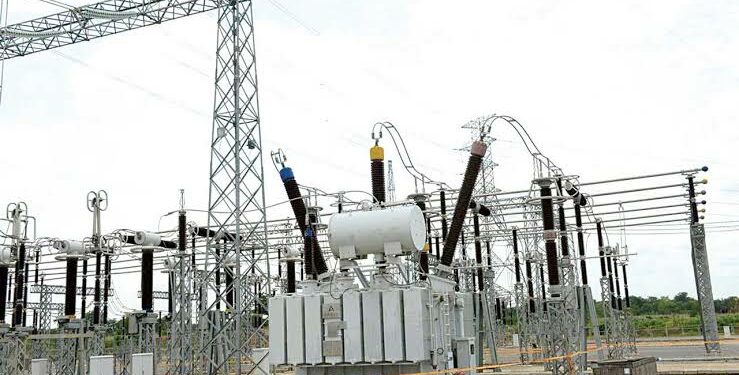
Despite the government’s recent investments in solar farms and gas turbines, the grid remains fragile. Frequent load‑shedding, illegal connections, and aging infrastructure are daily realities for most Nigerians. The minister‑turned‑academic pointed out that these problems are not just technical; they stem from a shortage of local expertise and a weak culture of scientific inquiry.
What Scientific Breakthroughs Could Look Like
According to Nnaji, the breakthroughs he envisions are practical, locally‑relevant solutions. Think of low‑cost solar panels that can be assembled in Lagos workshops, or bio‑energy projects that turn agricultural waste from the Niger Delta into power. He also mentioned the potential of smart‑grid technologies that can be managed by Nigerian engineers, reducing losses and improving distribution.
- Affordable, locally‑manufactured solar modules
- Hybrid mini‑grid systems for remote villages
- Waste‑to‑energy plants using palm kernel shells
- Indigenous research hubs focused on renewable storage
Roadmap for Turning Ideas into Reality
Professor Nnaji outlined a three‑step roadmap. First, the government must increase funding for university labs and grant schemes that reward breakthrough projects. Second, partnerships between academia, private sector, and foreign investors should be incentivised, allowing Nigerian scientists to test and scale their inventions. Third, a national “Innovation Day” could celebrate success stories, inspiring the next generation of engineers and inventors.
He also urged the private sector to adopt a “local first” policy, sourcing components made in Nigeria wherever possible. This, he argued, would create jobs, lower import bills, and build a resilient supply chain.
Why This Really Matters
The stakes are high. Energy insecurity hampers industrial growth, drives up the cost of living, and fuels youth unemployment. Moreover, as climate change tightens its grip, reliance on fossil fuels becomes both economically and environmentally untenable. By investing in home‑grown scientific solutions, Nigeria can cut emissions, attract green financing, and position itself as a leader in Africa’s clean‑energy transition.
Beyond the power sector, a thriving research ecosystem would spill over into agriculture, health, and technology, fostering a culture of problem‑solving that benefits every Nigerian. In short, scientific breakthroughs are not a luxury – they are the backbone of a sustainable, prosperous future.
Looking Ahead
Professor Nnaji left the audience with a simple challenge: “Ask yourself what you can do to nurture science in our country.” Whether you are a student, a policymaker, or a business owner, the call to action is clear – support local research, champion innovation, and demand policies that turn ideas into power.
What steps do you think Nigerians should take right now to accelerate home‑grown scientific breakthroughs for a greener, more reliable energy future?