MSF Reports 300,000 Nigerian Children Treated for Severe Malnutrition in 2024
When you hear that three hundred thousand tiny lives have been rushed to clinics for severe acute malnutrition, you feel the weight of the crisis instantly. That is the stark picture MSF (Doctors Without Borders) painted for northern Nigeria this year, and the numbers are too big to ignore.
The Scale of the Crisis
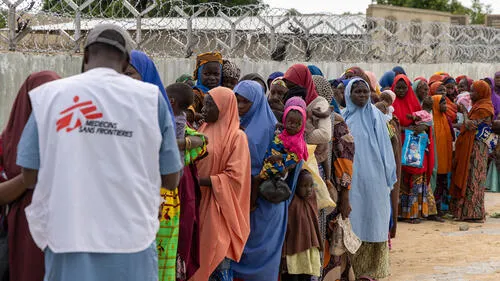
In 2024, MSF’s outpatient therapeutic centres across states like Katsina, Zamfara and Kebbi logged a total of 300,000 children under five battling severe acute malnutrition (SAM). To put it in perspective, that is roughly the entire population of Lagos Island being treated in a single year.
Most of these youngsters arrived with a very low weight‑for‑height ratio, swollen bellies, and in some cases, life‑threatening complications. The surge coincided with erratic rains, crop failures and rising food prices that have left many families scrambling for their next meal.
What MSF Is Doing on the Ground
MSF’s response has been a blend of rapid treatment and community outreach. Their outpatient units provide ready‑to‑use therapeutic foods (RUTF), antibiotics, and micronutrient supplements, all aimed at stabilising the children within days.
Beyond the clinics, MSF teams have deployed mobile health workers who trek to remote villages, identify at‑risk children, and refer them to the nearest centre. They also run nutrition education sessions for mothers, teaching simple ways to improve diet using locally available foods.
Challenges Faced
Logistics remain a nightmare. Poor road networks, especially during the rainy season, delay the delivery of life‑saving RUTF packets. Insecurity in some border areas also hampers the movement of health staff.
Funding gaps add another layer of pressure. While donors have stepped up, the sheer scale of the emergency means that every naira counts, and shortages can mean a child waiting longer for treatment.
Community Response
Local leaders and religious figures have rallied to spread awareness, urging families to bring their children for screening. Some community groups have started small kitchen gardens, hoping to boost household nutrition in the long run.
Nevertheless, stigma still lingers. In a few villages, families fear being labelled as “poor” if they seek help, which delays early detection.
Why This Really Matters
Severe acute malnutrition is not just a health issue; it is a development crisis. Children who survive SAM without proper rehabilitation often suffer from stunted growth, weakened immunity and reduced cognitive ability, affecting their schooling and future earnings.
For Nigeria, a nation with a youthful population that drives its economic engine, losing a generation to preventable malnutrition threatens long‑term growth. Addressing the current wave now can prevent a larger burden on the health system and the economy in the years to come.
Moreover, the crisis underscores deeper systemic problems – climate‑driven crop failures, volatile food markets and gaps in social safety nets. Tackling SAM therefore pushes policymakers to look at the bigger picture of food security and rural development.
What steps do you think the government, NGOs and ordinary Nigerians should take to curb this alarming trend and protect our children’s future?