Fans’ group slams FIFA over World Cup ticket pricing
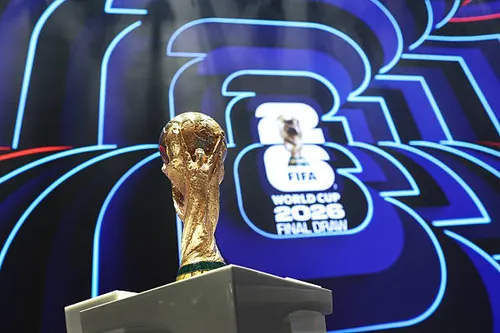
Football Supporters Europe (FSE), the continent’s largest fan umbrella, has publicly denounced FIFA’s ticket pricing for the 2026 World Cup as “extortionate”. In a statement released on Tuesday, the body said it was “astonished” by the cost structure that forces ordinary supporters to choose between a modest seat and a luxury box that rivals the price of a season ticket at many top‑flight clubs.
The controversy centres on the tiered pricing model unveiled last month, which sees tickets for the group stage starting at $150 for a basic seat in the host cities, while premium packages – including access to hospitality suites and match‑day experiences – can exceed $4,000. FSE argues that such pricing effectively bars the majority of fans from attending the sport’s biggest tournament.
Key Details
FIFA announced the ticket catalogue for the 2026 World Cup in North America on 12 May, outlining 12 categories ranging from “Category 1” (basic stadium seats) to “Category 12” (VIP hospitality). The catalogue lists 1.5 million tickets, with an estimated 800,000 allocated to the general public. Prices for Category 1 seats start at $150 in the United States, $180 in Canada and $200 in Mexico, while Category 5 – a mid‑range option – sits at $400‑$600. The most expensive Category 12 tickets, which include a three‑day hospitality pass and exclusive merchandise, are priced at $4,500.
FSE’s president, Hans‑Peter Kienle, told the media: “We understand the need to generate revenue, but when a ticket costs more than a full season ticket at a Premier League club, it becomes a barrier for the very fans who make the World Cup special.” The organisation is calling on FIFA to introduce a more affordable tier and to allocate a larger share of tickets to fan clubs and grassroots organisations.
Analysis and Background
The pricing debate is not new. At the 2018 World Cup in Russia, ticket costs for the group stage ranged from $105 to $1,800, prompting similar criticism from fan groups. However, the 2026 tournament is set to be the first to be staged across three nations, with a larger number of venues and a higher projected commercial revenue. FIFA estimates the event will generate $30 billion in total revenue, a substantial increase from the $14 billion recorded in 2018.
From a fan perspective, the stakes are high. The World Cup is traditionally seen as a celebration of the global football community, and ticket affordability has been linked to stadium atmosphere and viewership figures. Studies by UEFA show that when ticket prices rise sharply, average attendance drops by up to 12 percent, potentially undermining the tournament’s inclusive image.
Moreover, the ticket allocation model has historically favoured corporate partners and travel agencies. In 2014, only 15 percent of tickets were sold directly to individual supporters, a figure that FSE hopes will improve. The current proposal, however, appears to maintain a similar balance, with the majority of high‑value tickets earmarked for hospitality packages.
Looking Ahead
FSE has pledged to organise a petition targeting FIFA’s executive committee, aiming to collect at least one million signatures before the next ticket sales window opens in September. The fan body also plans to hold regional forums across Europe to gather input from local supporters’ clubs.
If FIFA responds positively, we could see a revised ticket structure that introduces a new “Fan‑First” category priced between $80 and $120, mirroring the approach taken by the English FA for the 2022 Women’s World Cup. Such a move would not only appease fan organisations but could also boost overall attendance and global viewership.
In the meantime, the debate underscores a broader tension between commercial imperatives and the sport’s grassroots ethos. As the world counts down to what promises to be a historic World Cup, the question remains: will FIFA choose profit over passion, or will it find a middle ground that keeps the beautiful game accessible to the fans who love it most?