Nigeria Celebrates a Century of Civil Aviation Milestones and Future Hopes
November 1, 2025 marked a historic milestone as Nigeria celebrated one hundred years of civil aviation, a journey that began with a modest biplane landing in Lagos and has grown into a network linking the nation to the world.
The first recorded flight dates back to 1925 when the British colonial administration dispatched a de Havilland DH.60 Moth to survey the coastal route, a daring venture that sparked local curiosity and laid the legal groundwork for future air services.
In the early 1960s, after independence, the federal government launched the Nigerian Airways Corporation, securing the first indigenous airline fleet and opening routes to Abuja, Port Harcourt and neighbouring Ghana, a move that signalled the nation’s ambition to control its skies.
The 1970s brought rapid expansion with the construction of the new Lagos International Airport terminal and the introduction of jet aircraft, yet the oil boom also exposed the sector to volatility, as fuel shortages and political unrest intermittently grounded flights.
Security sources confirmed that during the 1980s military regimes, several airfields were repurposed for defence, delaying civil operations, while officials who spoke anonymously warned that neglect could erode public confidence in air travel.
Reforms in the 1990s, spearheaded by the Civil Aviation Authority, introduced stricter safety standards and attracted foreign investors, leading to the launch of low‑cost carriers that opened domestic routes to millions of Nigerians for the first time.
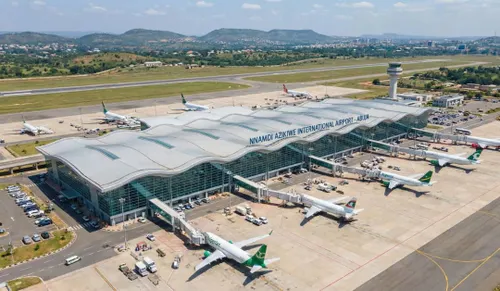
By the early 2000s, the sector embraced digital ticketing, upgraded navigation systems and partnered with international hubs, positioning Nigeria as a gateway to West Africa, a status reinforced when the country hosted the 2022 African Aviation Summit.
During the centennial celebrations, Minister of Aviation and Aerospace Development Festus Keyamo (SAN) addressed a packed hall, praising the industry’s resilience and unveiling a ₦500 billion master plan that promises new airports, modernised air traffic control and a home‑grown aerospace hub.
According to officials who spoke anonymously, the plan also earmarks funds for training Nigerian pilots and engineers, a move aimed at reducing reliance on expatriate crews and fostering a skilled workforce that can compete regionally.
The initiative aligns with ECOWAS’s push for integrated air transport, a regional strategy that could boost trade, tourism and security cooperation, especially as neighbouring states grapple with insurgency threats that often spill over into civilian airspace.
Security agencies have pledged tighter surveillance of airports, and the Federal Ministry of Aviation confirmed that new biometric screening will be rolled out by mid‑2026, a step meant to reassure passengers amid rising concerns over illegal migration and cargo smuggling.
Get News Updates on WhatsApp and stay informed as Nigeria charts its next century in the skies.
Do you think these ambitious reforms will lift Nigeria’s aviation standards and create more jobs for our youth? Share your thoughts in the comments.