Nigeria Deploys Troops to Benin, Tanzania Lockdown – The Untold Truth behind the Story
Imagine waking up to news that over 200,000 people have fled their homes, a neighbour country is sending soldiers across a border, and another nation just shut down its streets. That was the headline reel on December 9, 2025 across Africa, and it hits close to home for many of us in Naija. From the turmoil in the Congo to security moves in Benin and a sudden lockdown in Tanzania, the ripple effects could touch our markets, our travel plans, and even our sense of safety.
Mass Displacement in Eastern DRC
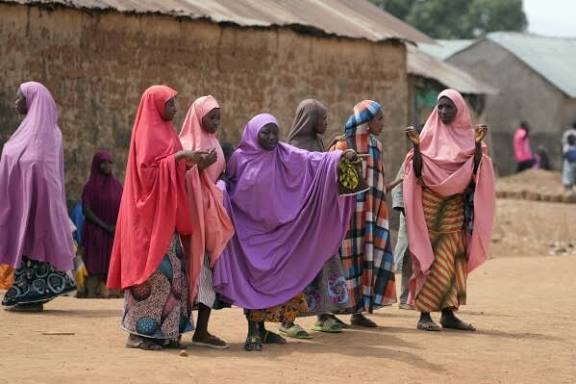
Humanitarian agencies report that roughly two hundred thousand civilians have been forced to abandon their villages in the eastern part of the Democratic Republic of Congo. The surge follows a fresh wave of armed clashes between rebel factions and the Congolese army, leaving homes razed and farms abandoned.
Families are now crammed into makeshift camps along the borders of Uganda and Rwanda, grappling with shortages of food, clean water, and medical care. The United Nations has appealed for urgent funding, warning that without swift assistance the crisis could spiral into a full‑blown humanitarian disaster.
For Nigerians, the situation is a stark reminder of the fragility of peace in our own neighbourhood. Trade routes that pass through the Great Lakes region could face disruptions, and the influx of refugees may eventually find its way into West Africa, putting additional pressure on already stretched resources.
Nigeria Approves Troop Deployment to Benin
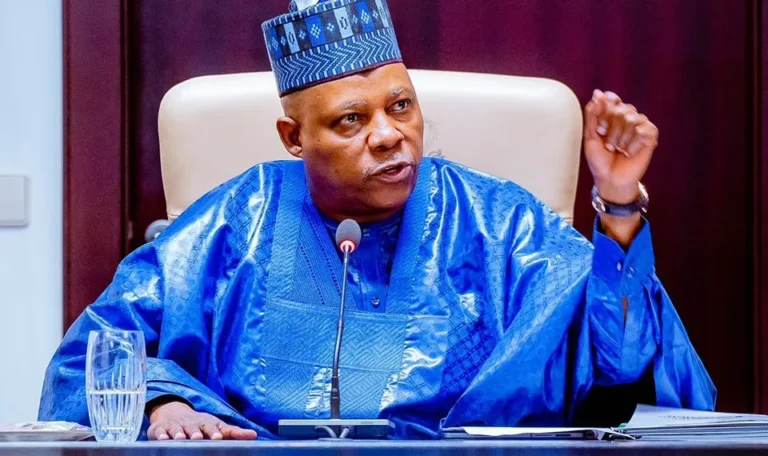
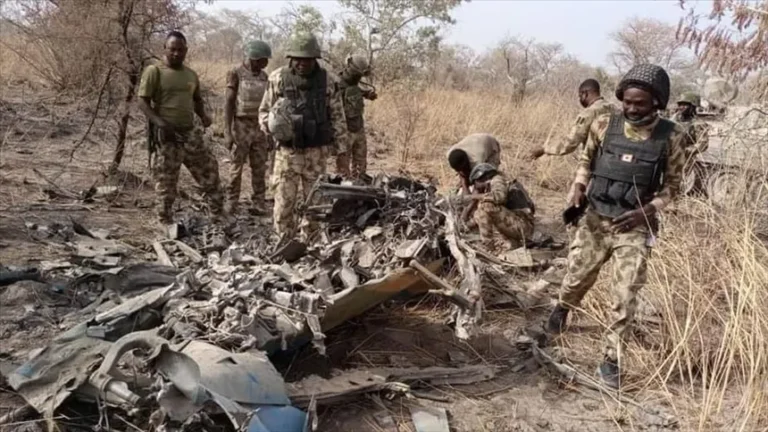
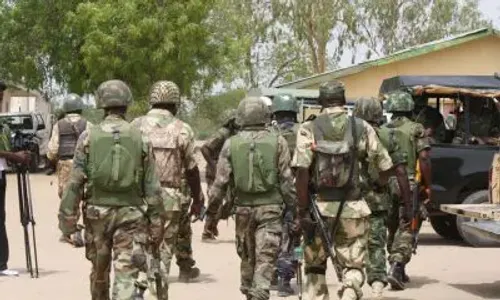
In a bold security move, President Bola Ahmed Tinubu’s administration gave the green light for a contingent of Nigerian soldiers to be stationed in Benin Republic. The decision comes after a spate of cross‑border kidnappings and banditry that have plagued the border towns of Kwara, Kogi and the Benin side.
The deployment, slated to involve about 1,500 troops, aims to bolster joint patrols, improve intelligence sharing, and secure the trade corridor that links Lagos to the Gulf of Guinea. While some critics argue the move could inflame tensions, the government insists it is a preventive step to safeguard lives and commerce.
Local traders are cautiously optimistic. “If our borders are safe, we can move goods without fear,” says a market woman from Ilorin who regularly ships produce to Cotonou. The operation also signals a deeper military cooperation between the two countries, a partnership that could set a precedent for regional security collaborations.
Tanzania Enters Nationwide Lockdown
Across the continent, Tanzania announced a sudden, nationwide lockdown in response to a sharp rise in COVID‑19 cases linked to a new variant. Schools, markets, and non‑essential businesses are ordered to shut their doors for at least two weeks, while authorities ramp up testing and vaccination drives.
The decision shocked many Tanzanians who had grown accustomed to a more relaxed approach to the pandemic. Health officials, however, warn that the variant spreads faster and could overwhelm hospitals if left unchecked.
For Nigerians, the lockdown serves as a cautionary tale. With our own health system still recovering from past waves, the Tanzanian move underscores the importance of vigilance, especially as travel between the two nations picks up during the festive season.
Why This Really Matters
These three stories, though happening in different corners of Africa, share a common thread: the interconnectedness of our continent’s security, health, and humanitarian landscapes. A mass exodus in the DRC can strain refugee assistance programs that Nigeria participates in, while troop movements to Benin affect trade routes that many Nigerian exporters rely on. Meanwhile, Tanzania’s lockdown highlights how quickly health crises can derail economies and everyday life.
- Economic Impact – Disrupted trade corridors could raise the cost of goods imported from West Africa.
- Security Concerns – Cross‑border crime may rise if refugees and armed groups move unchecked.
- Public Health – New variants in one nation can quickly spread to neighbours, stressing health infrastructure.
Understanding these links helps us anticipate challenges and seize opportunities for cooperation. Whether it’s supporting humanitarian aid, advocating for coordinated security policies, or staying ahead of health alerts, the stakes are personal for every Nigerian.
Looking Ahead
As the week unfolds, we can expect more updates on the DRC displacement figures, the exact composition of the Nigerian troop contingent, and the effectiveness of Tanzania’s lockdown measures. Stakeholders across Africa are watching closely, and so should we.
What are your thoughts on Nigeria’s decision to send troops to Benin, and how do you think the DRC crisis might affect our own community? Share your view below – let’s keep the conversation going.