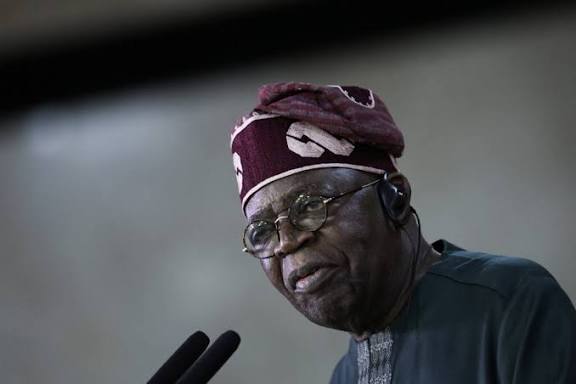
Tinubu Declares National Security Emergency, Calls for Massive Police and Army Recruitment
President Bola Tinubu shocked the nation on Wednesday when he announced a full‑scale security emergency across Nigeria. The move comes as kidnappings, banditry and insurgency continue to gnaw at the country’s stability. Tinubu’s directive to flood the police and army with new recruits is a bold, if risky, attempt to turn the tide.
The Announcement
During a televised briefing, Tinubu warned that the existing security forces were overstretched and under‑equipped to tackle the rising wave of violence. He ordered the Ministry of Defence and the Police Service to launch a massive recruitment drive, aiming to add thousands of fresh faces to the ranks within the next few months.
Scale of the Recruitment Drive
Officials say the target is ambitious: roughly 30,000 new police officers and 15,000 additional soldiers are to be enlisted by the end of the year. The recruitment will focus on young Nigerians from all states, with a special emphasis on regions most affected by insecurity.
Applicants will undergo a fast‑track selection process that includes physical fitness tests, background checks and basic training modules. The government promises competitive salaries, health benefits and a clear career pathway to attract talent.
Challenges Ahead
While the numbers look impressive on paper, the logistics of training such a large cohort are daunting. Training facilities are already operating at capacity, and there are concerns about the quality of instruction if the rollout is rushed.
Corruption remains a lingering threat. Past recruitment exercises have been marred by ghost soldiers and falsified records. Tinubu’s team says they will employ digital verification tools to curb malpractice, but skeptics warn that technology alone cannot solve deep‑rooted issues.
Public Reaction
Across Lagos, Abuja and the North‑East, citizens have expressed a mix of hope and caution. Many youths see the recruitment as a chance to secure stable employment and serve their country. Trade unions, however, worry about the adequacy of funding and the potential for new recruits to be sent into high‑risk zones without proper gear.
Social media is buzzing with hashtags like #SecureNigeria and #TinubuSecurityPush. While some praise the decisive stance, others question whether expanding the force will address the root causes of crime such as poverty, unemployment and corruption.
Why This Really Matters
The security emergency touches every Nigerian’s daily life – from farmers in the Sahel fearing bandit raids to traders in the South West worrying about kidnappings. A stronger, better‑equipped security apparatus could restore confidence in public safety, encourage investment and revive a faltering economy.
Moreover, successful recruitment and training could set a precedent for future administrations, showing that decisive action is possible even in the face of entrenched challenges. Conversely, failure could deepen public disillusionment and fuel further instability.
At its core, the initiative is a test of political will, institutional capacity and societal patience. If the government can deliver on its promises, Nigeria may finally see a turning point in its battle against insecurity.
What do you think – will Tinubu’s recruitment drive bring lasting peace, or is it a band‑aid solution to a deeper problem?