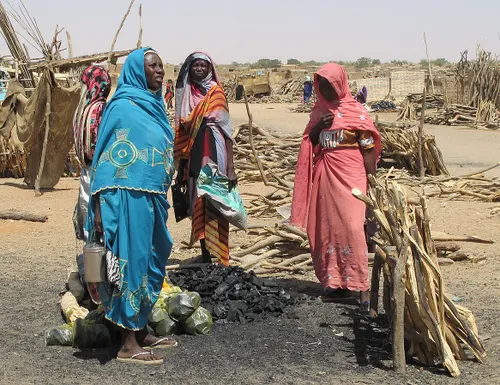
Villagers Whisper Fear: Inside Nigeria’s Growing Kidnapping Nightmare
When news broke that more than a dozen children vanished from a boarding school in northern Nigeria, the reaction was not outrage alone – it was sheer terror. Parents huddled in their homes, eyes darting to every rustle, fearing that even a whisper could draw the bandits closer. The silence that followed tells a story louder than any headline.
The Tragic Boarding School Abduction
Ten days ago, armed men stormed a modest boarding school in the state of Zamfara, snatching students in the dead of night. Witnesses say the attackers moved swiftly, leaving behind shattered windows and terrified teachers. The children, ranging from eight to fifteen, were taken in a convoy that vanished into the bush, leaving families clutching empty cribs and unanswered prayers.
Local officials rushed to the scene, but the chaotic aftermath made it hard to gather reliable details. Some parents reported that the kidnappers demanded a hefty ransom, while others heard rumors of a political motive. Whatever the reason, the incident has deepened a wound that Nigeria has been nursing for years.
Life Under the Shadow of Bandits
For villagers living a few kilometres from the school, daily life now feels like a tense game of hide‑and‑seek. Children are kept indoors after sunset, and mothers whisper warnings about venturing out after dark. Even simple chores like fetching water or selling produce at the market are weighed against the risk of crossing a bandit’s path.
“We are scared to even talk about it,” one mother confided, her voice trembling. “If we shout, they might hear us and come back.” That fear has turned many community members into reluctant witnesses, watching the world spin while they stay silent.
Community’s Silent Struggle
The anxiety isn’t limited to parents; teachers, shop owners, and even local youths feel the pressure. Some have formed informal watch groups, patrolling the roads with makeshift torches, hoping to deter any further raids. Others have taken to prayer circles, believing that divine intervention might be the only shield left.
Yet, despite these coping mechanisms, a pervasive sense of helplessness lingers. Families of the abducted children report being “too scared to speak” to authorities, fearing retaliation or being blamed for not protecting their kids. This silence creates a dangerous feedback loop, allowing kidnappers to operate with near‑impunity.
What Authorities Are Doing
The federal government has pledged to boost security deployments in the north, promising more troops and better intelligence. State police claim they are tracking the kidnappers’ routes and have set up checkpoints along major highways. However, villagers argue that the response is often too late, arriving after the bandits have already melted back into the savannah.
Human rights groups criticize the lack of transparent communication, urging officials to engage directly with affected families. They point out that without community trust, any operation risks being sabotaged by fear‑driven misinformation.
Why This Really Matters
Kidnappings are not just isolated crimes; they erode the very fabric of Nigerian society. When families live in constant dread, education suffers, economies stall, and migration to safer urban centres spikes. The psychological scars on children who return – if they ever do – can ripple for generations, affecting mental health, productivity, and social cohesion.
Moreover, the silence surrounding these incidents fuels a culture of impunity. When victims feel too frightened to report, perpetrators gain confidence, and the cycle repeats. Addressing the crisis means restoring trust between communities and law‑enforcement, investing in rural development, and ensuring that every child can attend school without fearing for their life.
What do you think should be done to break this vicious circle of fear and kidnapping in Nigeria?