River Blindness Threatens Rural Communities: What Nigerians Need to Know
Imagine waking up one morning and struggling to see the world around you, not because of age but because tiny worms have invaded your eyes. That nightmare is the reality for thousands across Africa living with onchocerciasis, popularly called river blindness. While the disease may sound far‑away, its impact ripples through villages, farms and even our health system here at home.
What Is River Blindness?
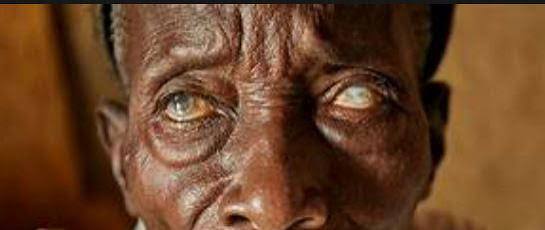
Onchocerciasis is caused by a filarial worm named Onchocerca volvulus. The adult worms settle under the skin, where they produce millions of micro‑larvae that wander through the bloodstream. When these larvae find their way to the eyes, they trigger inflammation that can scar the cornea and eventually lead to irreversible blindness.
How It Spreads
The disease travels via the bite of a black‑fly, a tiny insect that breeds in fast‑moving rivers and streams. When a black‑fly feeds on an infected person, it picks up the micro‑larvae, which then develop inside the fly for about a week. The next time the fly lands on a healthy person, the larvae are injected, starting the infection cycle anew.
Because the flies love clean, swift water, communities that rely on rivers for drinking, washing or irrigation are most at risk. In Nigeria, many farming villages sit alongside the Niger and Benue tributaries, making them prime hotspots for transmission.
Symptoms and Health Impact
Early signs often include intense itching and a rash that looks like a flood of tiny pimples. As the infection progresses, nodules—hard lumps under the skin—appear, especially around the hips and shoulders. When the eyes get involved, sufferers may experience blurred vision, eye pain, and eventually, permanent blindness.
Beyond the personal suffering, river blindness strips people of their ability to work the land, attend school or participate in community life. Whole families can lose their primary breadwinner, pushing households deeper into poverty.
Treatment and Prevention
The World Health Organization recommends a simple oral drug called ivermectin, which kills the micro‑larvae and halts disease progression. Mass drug administration (MDA) campaigns, where entire villages receive the medication annually, have proven hugely effective in cutting transmission.
Prevention, however, goes hand‑in‑hand with community action:
- Regular distribution of ivermectin through local health centres.
- Use of insecticide‑treated clothing or repellents when working near rivers.
- Environmental management, such as clearing vegetation that harbours black‑fly larvae.
- Health education programmes that teach people to recognise early symptoms.
In Nigeria, the Federal Ministry of Health, together with partners like the Carter Center, has rolled out MDA in over 30 endemic states, reaching millions of people each year.
Why This Really Matters
River blindness is more than a medical issue; it’s a development challenge. When vision is lost, children miss school, farmers can’t tend their fields, and communities lose the human capital needed for economic growth. Moreover, the disease disproportionately hits the poorest, deepening existing inequalities.
Eradicating onchocerciasis would free up resources for other pressing health concerns, boost agricultural productivity, and improve the quality of life for millions of Nigerians. It also aligns with the Sustainable Development Goals, especially those targeting good health and reduced inequalities.
By staying informed and supporting local health initiatives, every Nigerian can play a part in wiping out this preventable scourge.
What steps do you think our communities should take to accelerate the fight against river blindness?