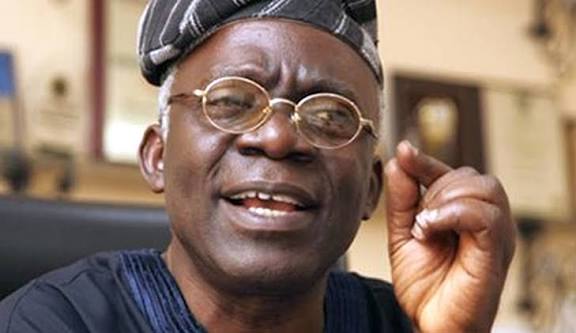
Falana & NBA Demand Immediate Security Boost and Rights Safeguard in Northern Nigeria
When Falana took the stage at the Nigeria Bar Association’s Human Rights Institute gathering, the atmosphere crackled with urgency. The veteran lawyer didn’t mince words – he warned that the northern states are teetering on a security cliff and that citizens’ basic rights are being trampled.
Keynote Highlights
In his opening address, Falana painted a stark picture of escalating attacks, banditry, and communal clashes across Kano, Kaduna, and Borno. He reminded the audience that the 2025 International Human Rights Day is not just a calendar reminder, but a call to action for a nation that still grapples with lawlessness.
He also praised the Nigeria Bar Association for consistently championing the rule of law, urging its members to become frontline watchdogs in the fight against impunity.
Security Challenges in the North
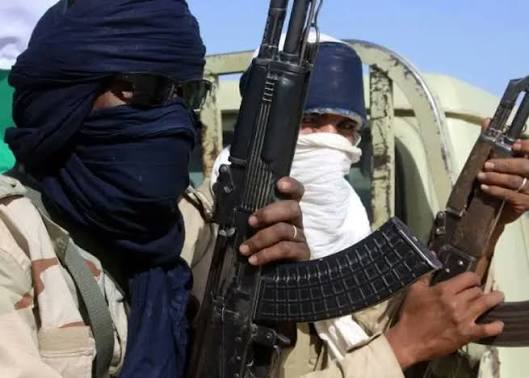
Over the past year, reports from the Ministry of Interior show a 27% rise in violent incidents in the northern geopolitical zones. Farmers lose their crops to armed gangs, schools are forced to shut, and ordinary commuters fear traveling after dark.
Falana highlighted that the security vacuum is not merely a military issue; it is also rooted in weak governance, delayed funding for police reforms, and a lack of community‑based intelligence.
Human Rights Concerns
Beyond the bullets, the lawyer stressed that human rights violations are spiralling. Arbitrary arrests, extrajudicial killings, and the denial of due process have become daily headlines in local newspapers.
He cited recent cases where victims of bandit attacks were denied compensation, while perpetrators walked free due to corrupt judicial procedures.
Calls for Immediate Action
Falana laid out a concise list of demands that he expects the federal and state governments to act on without delay:
- Deploy well‑trained, adequately equipped security forces to the most affected LGAs.
- Accelerate the implementation of the Police Reform Act, focusing on transparency and accountability.
- Establish a special tribunal to fast‑track cases of human rights abuses in the north.
- Allocate emergency funds for displaced families and for rebuilding destroyed infrastructure.
- Engage traditional and religious leaders in community dialogue to restore trust.
He warned that failure to meet these demands could deepen the crisis, inviting more violence and further eroding public confidence in the justice system.
Why This Really Matters
Nigeria’s northern region houses over a third of the country’s population and contributes significantly to agriculture, the backbone of the national economy. When insecurity chokes farming communities, food prices rise nationwide, and the ripple effect reaches every household from Lagos to Port Harcourt.
Moreover, the erosion of human rights sets a dangerous precedent for democracy. If citizens cannot rely on the courts to protect them, the very fabric of our constitutional order begins to fray.
For the legal fraternity, the NBA’s stance is a litmus test – it shows whether lawyers will merely comment on issues or become active agents of change.
Looking Forward
Falana concluded with a hopeful note, urging young lawyers to take up the mantle of advocacy and to collaborate with civil society groups for sustainable peace. He reminded everyone that the law is only as strong as the people who enforce and respect it.
As the audience dispersed, the lingering question was clear: can the government mobilise the political will and resources needed to turn these urgent pleas into concrete action?
What do you think should be the top priority for the government to restore security and protect rights in northern Nigeria?