FG Rolls Out Fresh Agric Incentives to Boost Food Security
The Federal Government has introduced new measures to attract big investments into Nigeria’s agricultural sector under President Bola Tinubu’s Renewed Hope Agenda.
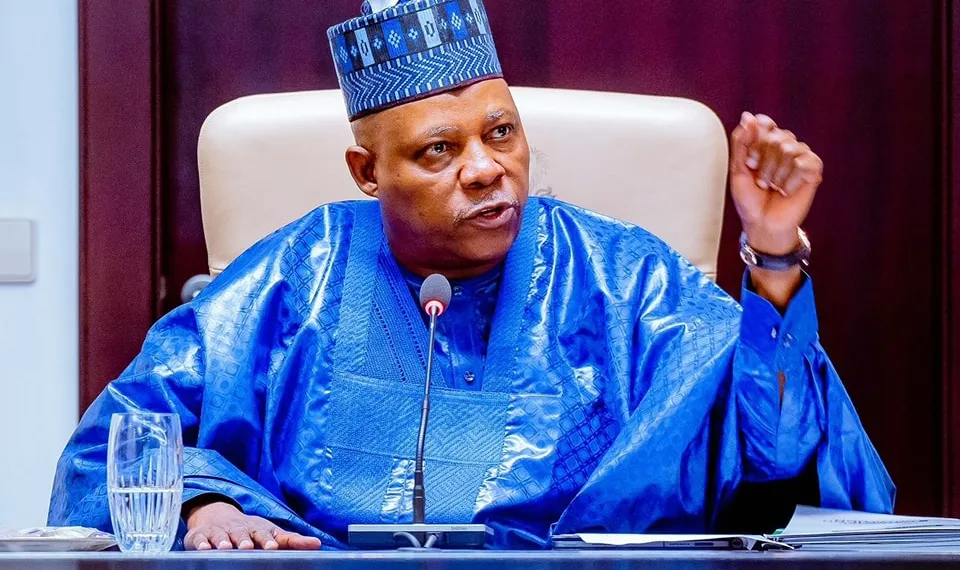
Vice President Kashim Shettima announced the incentives in Abuja during the FAO National and Subregional Hand-in-Hand Investment Forum, stressing that the reforms are aimed at transforming food production and creating millions of jobs in rural communities.
According to him, hunger is not just a survival issue but a global security threat. “Nothing unifies humanity as much as hunger. It is the great equaliser that reveals our vulnerabilities and the shared fragility of our existence. Food is not merely a matter of survival; it is a matter of global security,” Shettima said.
The new agriculture incentives include:
- Single-window platforms for easier land registration
- Stronger agricultural credit systems to support farmers and investors
- Expansion of irrigation infrastructure to cut reliance on rainy seasons
- Increased mechanisation to improve yields and reduce manual labour
Shettima highlighted that Nigeria has water resources capable of irrigating over 3 million hectares of farmland, yet less than 10% is currently used. He explained that proper investment in irrigation could triple crop yields and protect the country from climate-related shocks.
The VP further assured that the government is redesigning policies to attract local and foreign investors through public-private partnerships and agri-tech innovations. The goal, he said, is to create 21 million full-time jobs and lift 35 million Nigerians out of poverty while achieving food sufficiency.
Supporting the announcement, Senator Abubakar Kyari, Minister of Agriculture, and Atiku Bagudu, Minister of Budget and Economic Planning, noted that Nigeria’s large population, arable land, and growing digital economy make it a prime destination for agribusiness investment.
Foreign partners also backed the move. The FAO commended Nigeria’s clear agricultural vision, while the European Union pledged over €80 million to support value chains in seven Nigerian states.
Why it matters to Naija: With food prices biting hard, these policies, if well executed, could reduce dependence on food imports, create jobs, and make everyday meals more affordable for Nigerians.
👉 Do you believe these incentives will truly change the game for farmers, or will it end up like past promises? Share your thoughts below!