Nigeria Postpones New Tax Law with Fuel Surcharge to 2026 Amid Rising Cost-of-Living Fears
The Nigerian government has delayed the implementation of a new tax law slated to include a controversial 5% fuel surcharge until January 1, 2026, in response to growing public anxiety over rising living costs. Finance Minister Wale Edun made the announcement, saying the government is mindful of the economic hardship being experienced by many Nigerians.
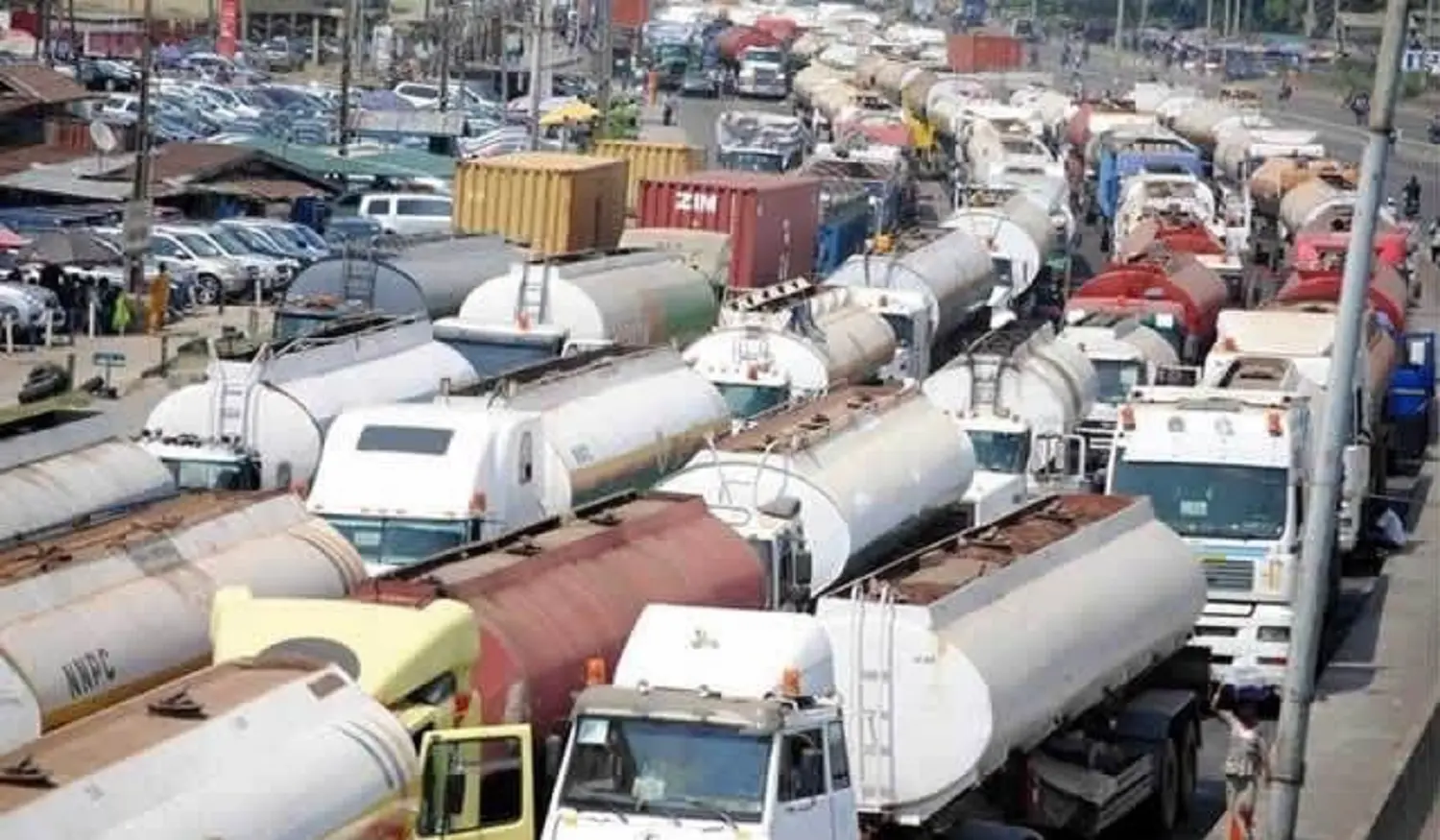
The surcharge targets fuel products such as petrol and diesel. However, Edun clarified it is not a brand new tax; instead, it has its roots in a 2007 law and has merely been harmonised into the recently signed Nigeria Tax Act. Before taking effect, the law requires formal procedures including a proclamation and publication in the National Gazette.
The delay comes in the midst of wide economic reforms under President Bola Tinubu’s administration, including the removal of electricity and petrol subsidies and repeated devaluations of the naira. While these reforms aim to stabilize the economy and improve revenue mobilisation, they have also inflicted heavy burdens on households already struggling with inflation and high costs of goods and services.
Edun said the government understands the severity of the cost-of‐living crisis and does not want to add further burden prematurely. He stressed that the fuel surcharge’s implementation hinges on regulatory steps yet to be completed.
The postponement has been met with cautious relief by consumers, but observers warn that unless accompanied by broader subsidies, social safety nets, or relief measures, even delayed surcharges will strain already fragile household finances. Meanwhile, the government will be under pressure to find alternative revenue sources to meet fiscal targets. This development adds to Nigeria’s balancing act: implementing policy reforms to raise revenue while ensuring social stability in a time of economic hardship.