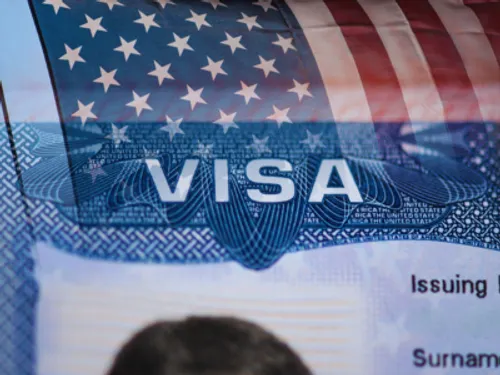
US Slaps Visa Ban on Nigerian Persecutors of Christians After CPC Designation
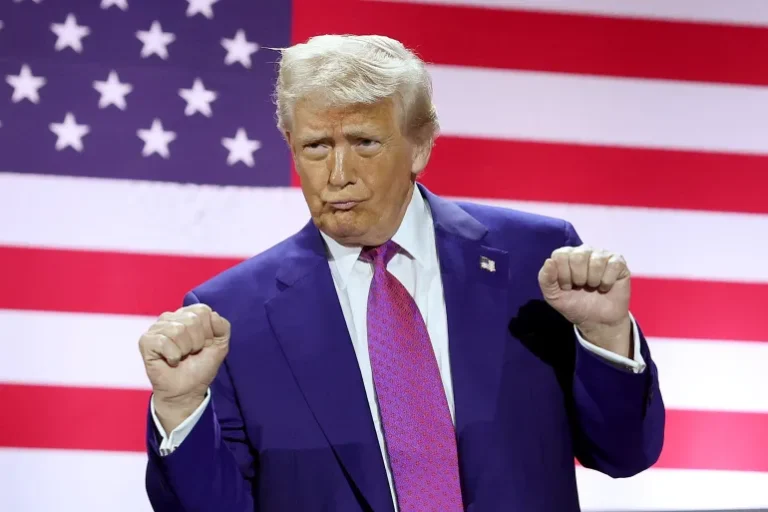
The United States has just announced a fresh round of visa restrictions aimed at Nigerians accused of targeting Christians and trampling on religious liberty. The move comes hot on the heels of former President Donald Trump’s earlier decision to label Nigeria a Country of Particular Concern, a tag usually reserved for nations where religious groups face systematic abuse. For many Nigerians, especially the faithful, this signals a new level of international attention on the country’s faith‑based tensions.
What Triggered the New US Policy
Earlier this year, Washington’s State Department released a report detailing a surge in attacks on churches, kidnappings of clergy, and legal actions that undermine the right to worship. The findings painted a grim picture of escalating hostility, prompting the US to consider stronger diplomatic levers. In response, the Trump administration formally declared Nigeria a Country of Particular Concern, citing what it called a “genocide against Christians”.
Details of the Visa Restrictions
Under the fresh sanctions, any Nigerian official, security officer, or private individual identified as a perpetrator of religious persecution will be barred from obtaining a US visa. The ban covers both tourist and business visas, effectively cutting off travel to the United States for those on the list. The State Department said it will also share the names of the designated persons with other allied nations, hoping to create a coordinated pressure campaign.
Reactions from Nigerian Leaders and Faith Communities
President Bola Ahmed Tinubu’s office described the US action as “interference in Nigeria’s internal affairs” and warned that it could strain bilateral ties. Meanwhile, leaders of major Christian bodies, such as the Christian Association of Nigeria (CAN), welcomed the move, calling it a long‑awaited signal that the world is watching their plight. Some Muslim leaders, however, expressed concern that the policy might fuel sectarian mistrust if not handled delicately.
Potential Impact on Religious Freedom
Analysts say the visa ban could serve as a deterrent for officials who might otherwise turn a blind eye to attacks on worshippers. By targeting travel privileges, the US hopes to create a personal cost for those implicated in violence or discriminatory laws. Yet critics argue that without robust enforcement, the sanctions may amount to little more than symbolic gestures.
- Increased international scrutiny may push the Nigerian government to tighten security around churches.
- Human rights NGOs could use the sanctions as leverage to demand legal reforms.
- Potential diplomatic friction could affect trade, education exchanges, and aid programmes.
Why This Really Matters
Religious freedom is enshrined in Nigeria’s constitution, yet on the ground many believers still face threats that disrupt daily life and community cohesion. When a global power like the United States steps in, it not only validates the concerns of victims but also pressures local authorities to act. For ordinary Nigerians, the policy could mean safer worship spaces, more accountability for abusers, and a reminder that the world is watching their struggle for peaceful coexistence.
What are your thoughts on the US visa restrictions – do you think they will curb persecution, or could they deepen divides in an already fragile religious landscape?