Ademola Adeleke Defects to Accord Party: Osun’s 2026 Gubernatorial Race Gets a New Twist
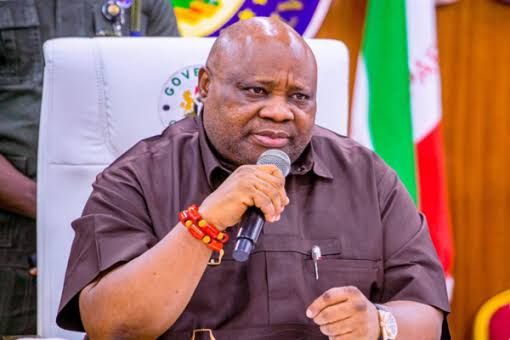
Picture this: the streets of Osogbo buzzing, Twitter timelines exploding, and every Naija lad and lass shouting, “Adeleke don join Accord!” The news hit like a thunderclap this morning – Governor Ademola Adeleke, who has been the darling of Osun for the past four years, clinched the Accord Party (AP) primary with a clean 145 votes after walking out of the PDP. The man who promised to finish the “good governance” saga is now on a different political runway, and the whole of the Southwest is watching with popcorn in hand.
Why the Switch? Rumours, Roadblocks, and Realpolitik
According to the grapevine, former Governor Rauf Aregbesola threw a massive roadblock when Adeleke tried to slip into the ADC camp. The APC, too, allegedly kept its doors shut, leaving the governor with limited options. On November 6, Adeleke quietly signed his name with the Accord Party, but the public announcement only dropped yesterday, sparking a wave of memes and hot takes across Instagram and Twitter.
Back in the day, during the heated FAAC and local government chairmanship tussle between the FG and the APC, some big‑wig analysts suggested that a strategic alliance with the APC could have secured Adeleke’s re‑election. Yet, the governor held his ground, refusing to jump ship – a decision that many thought would cost him dearly.
Osun’s Political Landscape: Who’s In, Who’s Out?
Osun folks have been vocal: many still adore Adeleke and believe his track record of infrastructure projects and health initiatives will translate into another term. Meanwhile, the APC’s internal drama deepens. The party recently disqualified heavyweight aspirants Iyiola Omisore and Babajide Omoworare, among others, clearing a path for new faces but also raising eyebrows about internal fairness.
One outspoken APC hopeful, Bola Oyebamiji, didn’t mince words. He warned that Adeleke “would be rejected and voted out in 2026 because he totally mismanaged state funds and distorted the progress the state has enjoyed for years,” insisting the state must “return to APC.” Whether this is political bravado or genuine concern, it adds fuel to an already fiery contest.
What This Means for the PDP and the South‑West Power Balance
Adeleke’s exit slices a chunk out of the PDP’s already thinned structure in Osun. The move also reshapes the broader South‑West map: the APC now controls 4 out of 6 states in the region, the South‑South is fully under its banner (6/6), and the South‑East sees the party in 3 of 5 states. Across the South, the tally stands at APC 13, PDP 2, with APGA, Labour Party, and Accord each holding a single state.
In July, Adeleke boldly declared Osun “BATIFIED” for the 2027 elections, pledging to keep the PDP flag flying till the end. His recent defection, however, signals a strategic pivot – perhaps a realization that the PDP’s dwindling influence could jeopardise his re‑run.
Tech Meets Politics: Citizen Monitors Set to Watch the 2026 Vote
Beyond the party drama, there’s a tech story brewing. The upcoming 2026 Osun gubernatorial election will pilot “Citizen Monitors,” a platform that lets ordinary Nigerians snap and upload polling‑unit evidence in real time. Think of it as a grassroots version of INEC’s IREV, promising greater transparency and instant result aggregation. The initiative could become a game‑changer, especially if the race tightens between Adeleke’s Accord ticket and the APC hopefuls.
As the nation watches, one thing is clear: Adeleke’s political gamble has set off a chain reaction. Will his Accord ticket secure the 145‑vote magic again on election day? Can the APC regroup after sidelining its big names? And will Citizen Monitors restore faith in the electoral process?
Bottom Line: The Story Is Still Unfolding
Osun’s 2026 gubernatorial saga is now a cocktail of ambition, betrayal, and digital innovation. For now, the streets are buzzing, the hashtags are trending, and every Naija with a phone is ready to weigh in. Keep your eyes glued to Update Villa for the latest twists, because in Nigerian politics, the next surprise is always just around the corner.