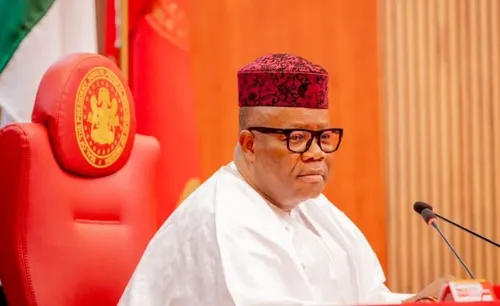
Akpabio Shuffles Senate Security Committee, Names Kebbi Senator Yahya as New Chair
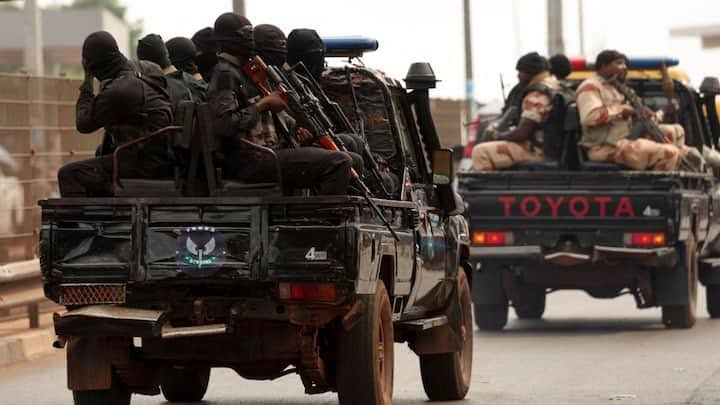
When Senate President Godswill Akpabio stepped onto the floor of the National Assembly on Tuesday, the buzz was unmistakable – the Senate security committee was getting a fresh look. In a move that caught many political watchers off‑guard, Akpabio announced a new chairperson, signalling a possible shift in how Nigeria’s lawmakers will tackle security challenges. For Nigerians weary of endless headlines about kidnappings, banditry and insurgency, this reshuffle could be more than just a name‑swap.
Background of the Committee
The Senate Committee on National Security is one of the most critical oversight bodies in the 9th and now 10th Assembly. It scrutinises defence policies, monitors the activities of the armed forces, and reviews legislation that affects the safety of every Nigerian. Historically, the chairmanship has been a coveted position, often given to senior senators with strong ties to the military or security agencies.
Earlier this year, the committee was led by Senator Mohammed Ali Ndume, whose tenure saw mixed reviews. While some praised his vocal stance on border security, others felt the committee had become a talking shop rather than a problem‑solving engine. Akpabio’s decision to reconstitute the panel, therefore, arrives at a time when the nation is demanding concrete results.
Who Is Abdullahi Yahaya?
Representing Kebbi North under the APC banner, Senator Abdullahi Yahaya is not a newcomer to the Senate corridors. He first entered the chamber in 2015 and has built a reputation as a pragmatic lawmaker with a keen interest in rural development and agriculture. Though his résumé does not read “security expert,” Yahaya has served on several sub‑committees that dealt with internal affairs, giving him a foothold in the security debate.
Friends in the Senate describe him as a “bridge‑builder,” someone who can navigate the often‑tense relationships between the military, police, and civilian oversight bodies. His appointment could therefore be an attempt by Akpabio to inject a more collaborative spirit into the committee’s work.
Implications for National Security
With the north‑east still grappling with Boko Haram remnants and the north‑west battling banditry, the committee’s agenda is packed. Yahaya’s first order of business is expected to be a comprehensive review of the recent joint task force operations, assessing their effectiveness and pinpointing gaps.
Analysts suggest that a senator from Kebbi – a state that has felt the sting of bandit attacks – might bring a grassroots perspective that has been missing from high‑level deliberations. If Yahaya can channel that experience into actionable policy recommendations, the Senate could finally move from reactive statements to proactive strategies.
Political Reactions
Reactions across the political spectrum have been mixed but largely positive. The PDP welcomed the change, noting that “fresh leadership could reinvigorate a committee that has been underperforming.” Meanwhile, civil society groups such as the Centre for Democracy and Development urged Yahaya to prioritize transparency and regular public hearings.
Within the APC, some senior figures hinted that the reshuffle might also be a strategic move by Akpabio to cement his influence ahead of the upcoming 2027 elections. By placing allies in key oversight roles, the Senate president can shape the narrative around security – a top concern for voters.
Why This Really Matters
For the average Nigerian, the composition of a Senate committee may seem far removed from daily life. Yet the committee’s reports feed directly into budget allocations for the army, police reforms, and even the deployment of community policing initiatives. A chair who can cut through bureaucracy and push for tangible outcomes could mean faster response times to kidnappings, better equipment for troops, and more accountability for security agencies.
Moreover, the appointment reflects a broader trend of younger, regionally diverse politicians taking centre stage in national decision‑making. If Yahaya can harness his regional insights and translate them into national policy, it could set a precedent for more inclusive governance – a win for the whole country.
In a nation where security headlines dominate the news cycle, the real test will be whether this reshuffle translates into fewer incidents on the ground. The Senate’s oversight role is only as strong as the will of its members to enforce change.
What are your thoughts on Senator Yahaya’s new role – do you think he can steer the committee towards real security improvements, or is this just another political shuffle?