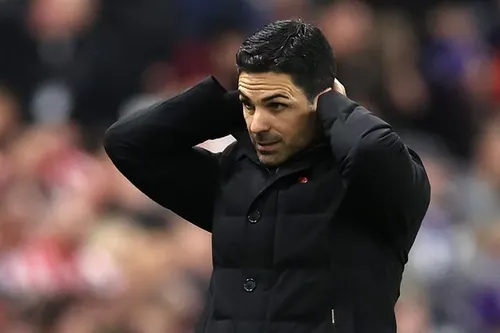
Arsenal manager Arteta denies overtraining causing injury woes in Premier League
Arsenal manager Mikel Arteta insisted on Wednesday that the spate of injuries plaguing his squad this season is not a symptom of overtraining. Speaking to the club’s media team after a light training session at the Emirates, Arteta said, “We are monitoring the workload closely, but these injuries are largely due to the nature of the game and not the intensity of our training programmes.”
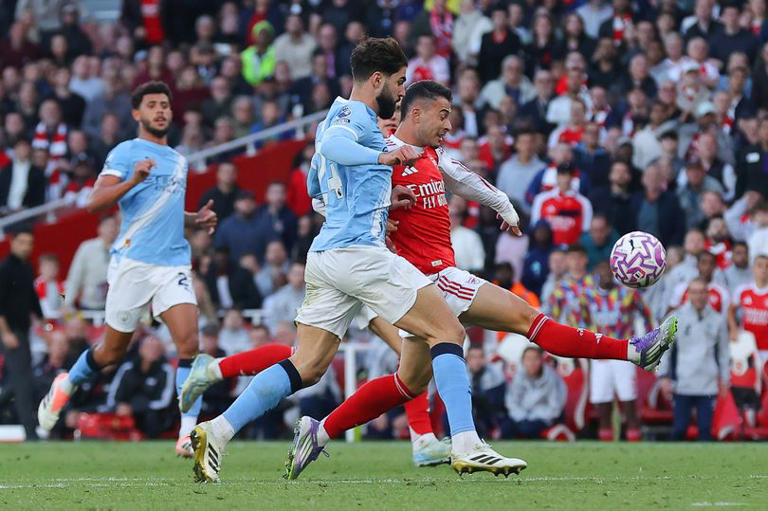
The Gunners have already missed several first‑team regulars, including Bukayo Saka, Gabriel Martinelli and Thomas Partey, with a further two players listed as doubtful for the upcoming league clash against Manchester United. The manager’s comments come at a crucial juncture in the Premier League campaign, where Arsenal sit third, just four points behind leaders Manchester City.
Key Details
Since the start of the 2024‑25 season, Arsenal have recorded 12 injuries that have kept players out for more than a week, a figure that sits above the league average of eight according to the Premier League’s injury database. The most notable absences are:
- Bukayo Saka – hamstring strain, out for 2‑3 weeks
- Gabriel Martinelli – ankle ligament sprain, 4‑week lay‑off
- Thomas Partey – calf issue, expected return in early November
Arsenal’s congested fixture list includes 20 Premier League matches, a Europa League group stage, and an FA Cup third‑round tie against lower‑league side Luton Town. The competition format means the squad must rotate regularly, increasing the risk of fatigue‑related knocks.
Analysis and Background
Arteta’s denial of overtraining echoes a broader debate in English football about player workload. While clubs such as Manchester City and Liverpool have invested heavily in sports science, Arsenal’s medical team has highlighted a higher incidence of non‑contact injuries this season. Historically, Arsenal suffered a similar injury crisis in the 2019‑20 campaign, which coincided with a dip in form that saw them finish fifth.
From a tactical perspective, the absence of Saka and Martinelli deprives Arsenal of pace on the flanks, forcing Arteta to rely more on the midfield pivot of Martin Ødegaard and the wing‑back system employed by Gabriel Magalhães. The manager’s emphasis on a high‑pressing style underlines why he is keen to protect his players from excessive training loads, especially with the Europa League knockout stages looming.
Statistically, Arsenal have created an average of 1.8 chances per game this season, down from 2.4 in the same period last year, a decline that Arteta attributes partly to the reduced availability of his attacking talent.
Looking Ahead
The next Premier League fixture against Manchester United on 23 October will be a litmus test for Arteta’s squad depth. If the Gunners can field a competitive XI despite the injuries, it will reinforce Arteta’s claim that training intensity is not the culprit. Following that, a Europa League clash with Bayer Leverkusen on 1 November will demand a balanced rotation to keep key players fresh for the domestic run‑in.
Arsenal’s upcoming FA Cup third‑round tie against Luton Town on 7 November offers a potential opportunity to blood academy prospects, a strategy that could alleviate the pressure on senior players while maintaining momentum in the league.
Arteta’s firm stance on the injury narrative reflects his broader philosophy: a disciplined, data‑driven approach to preparation that prioritises long‑term player health over short‑term gains. As the season progresses, the Gunners’ ability to navigate this injury maze will be pivotal in sustaining their title challenge and European ambitions.