Aunty Esther’s Blood‑Ban Standoff: Faith, Money, and a Nation’s Moral Tug‑of‑War
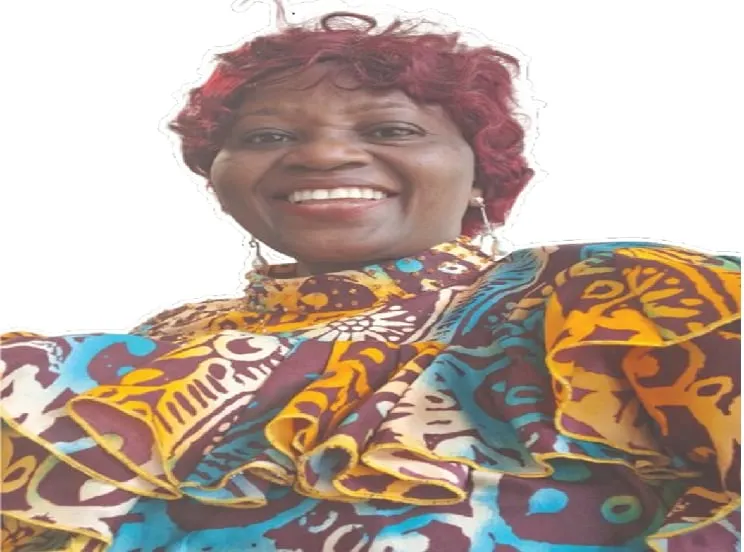
When the news broke that Aunty Esther, a 45‑year‑old Jehovah’s Witness from Calabar, turned down a life‑saving blood transfusion, Twitter NG erupted like Lagos traffic at rush hour. The drama isn’t just about a medical choice – it’s a full‑blown clash of religion, charity, and what Nigerians think should matter most.
The medical side of the story
Doctors diagnosed Esther with breast cancer that has spread to her armpit. The tumour itself is operable, but chemotherapy is the next step. Chemotherapy, as most of us know, can wipe out red cells, white cells, and platelets, meaning many patients eventually need a blood transfusion to keep the treatment going.
In Esther’s case, her blood needed to be “optimized” before chemo could start – the quickest way being a transfusion. She refused, opting instead for alternative injections. It’s still unclear whether she will go ahead with chemo at all, but without the blood boost, the odds of completing the regimen are slim.
Faith vs. life: the Twitter split
Twitter users have taken sides. Some defend Esther, saying her refusal is rooted in a deeply held Jehovah’s Witness doctrine that treats blood as sacred. Others argue that life should trump belief, calling her decision “self‑destructive” and demanding a refund of the ₦30 million raised for her treatment.
Accusations flew that Esther lied when she told donors she was ready to follow any doctor’s orders. People point out that in June alone, ₦4 million was donated, and the total bill was pegged at about ₦10 million. Yet she chose a local clinic in Calabar where the blood ban wouldn’t be challenged, leaving many donors feeling cheated.
Why Jehovah’s Witnesses refuse blood
The ban stems from a literal reading of several Bible verses – Leviticus 17:10‑14, Acts 15:28‑29, and Genesis 9:4 – which command believers to “abstain from blood.” The Watch Tower Society first mentioned the issue in 1945, tightened the rule in the 1950s, and by 1961 made blood transfusion a punishable offense, with violators facing disfellowship.
For Jehovah’s Witnesses, receiving blood isn’t just a medical procedure; it’s seen as consuming the life‑force that God has placed in the bloodstream, a sin that could lead to spiritual death.
Beyond the transfusion: broader JW beliefs
Jehovah’s Witnesses also hold that only 144,000 will go to heaven, that the world entered the “last days” in 1914, and that members must avoid voting, military service, and even celebrating Christmas. These strictures have made the group a frequent target for criticism in Nigeria, where many argue that such doctrines keep the country stagnant.
Writer David Hundeyin even narrated his own escape from what he called a “death‑sentence doctrine,” highlighting how the faith’s restrictions can feel suffocating to some.
What’s next for Aunty Esther?
As the debate rages, the medical reality remains: without a transfusion, Esther’s chances of surviving chemo drop dramatically. Whether she will eventually accept a blood product, switch to a different treatment, or abandon chemo altogether is still unknown.
Meanwhile, Nigerians continue to argue on timelines, with some urging the government to step in, while others call for respect of religious freedom. One thing is clear – the story has lit up our feeds, sparked fierce conversations, and reminded us how health, faith, and money can collide in the most personal of ways.
What do you think? Should religious belief be allowed to dictate life‑saving medical choices, or is there a line that shouldn’t be crossed? Drop your thoughts below and keep the conversation going.