Nafisa’s Battle Against Malaria Sparks Hope for Nigerian Families
When the sun set on a quiet Lagos evening two years ago, Nafisa Umar never imagined that the night would steal her newborn son. Eight‑month‑old Yusuf fell victim to malaria, and the loss still haunts her, but it also lit a fire that is now warming many Nigerian homes.
The Tragedy That Sparked a Fight
Nafisa’s story began like many others in the Niger Delta – a bustling market, a modest flat, and a baby’s first giggles. Yet malaria, the disease that claims more lives in Nigeria than any other, slipped in unnoticed. By the time the fever spiked, the nearest clinic was overwhelmed, and the child’s tiny body could not survive the onslaught.
Grief turned into resolve. Nafisa refused to let Yusuf’s death be in vain. She vowed to protect other mothers from the same nightmare, even if it meant stepping into a world she never imagined – community advocacy and public health campaigns.
Turning Grief into Action
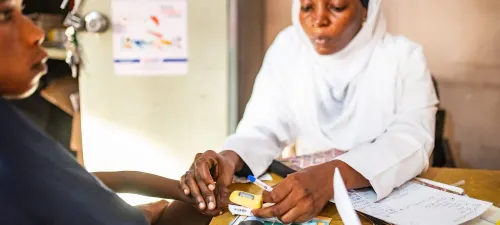
With the help of UNICEF’s Nigeria programme, Nafisa received training on malaria prevention, from proper net usage to recognising early symptoms. She began sharing her story at local churches, schools, and women’s groups, turning personal pain into public education.
Her voice resonated because it was real. “When I lost my son, I felt helpless. Now I feel I can help others stay safe,” she says, her eyes still wet but determined.
Community Efforts and UNICEF Support
UNICEF’s partnership amplified Nafisa’s reach. Together they launched a grassroots drive that combined awareness talks with tangible tools. The initiative focused on three pillars:
- Distribution of insecticide‑treated mosquito nets to vulnerable families.
- Training of community health volunteers to spot malaria signs early.
- Mobile radio jingles in Yoruba, Igbo and Pidgin that remind parents to seek treatment within 24 hours.
Local volunteers, many of whom are mothers themselves, now carry the message to doorsteps, ensuring that the information is not just heard but acted upon.
A New Beginning for Nigerian Mothers
Six months into the campaign, over 12,000 nets have been handed out in Lagos and the surrounding Ogun and Edo states. Mothers report fewer nights of restless sleep, knowing their children are shielded while they rest.
Beyond the nets, the real shift is cultural. Families are now more likely to bring a feverish child to a clinic within hours, rather than waiting for the fever to subside. This early‑treatment mindset is saving lives and reducing the severe complications that once led to tragic outcomes like Yusuf’s.
Why This Really Matters
Malaria remains Nigeria’s deadliest killer, especially for children under five. According to the World Health Organization, the country accounts for about a quarter of global malaria deaths. When a mother like Nafisa turns personal loss into community action, she tackles the problem at its root – awareness, prevention and rapid response.
Scaling such grassroots stories can complement national strategies, bridging the gap between policy and the everyday realities of Nigerians living in dense urban slums and remote villages alike. Every net, every awareness session, and every early‑treatment story adds up, moving the nation closer to the 2030 malaria‑free goal.
For families still battling the disease, Nafisa’s journey is a beacon of hope that change is possible when ordinary citizens refuse to stay silent.
What do you think – can more stories like Nafisa’s turn the tide against malaria in Nigeria?