Tinubu Hosts 21 Foreign Envoys, Reaffirms Nigeria’s Role in Global Peace
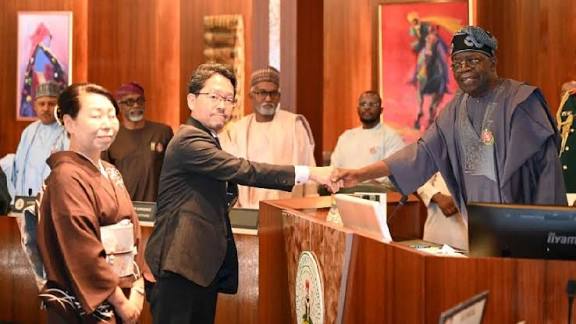
President Bola Ahmed Tinubu recently opened the doors of Aso Rock to a delegation of twenty‑one foreign envoys, sending a clear signal that Nigeria remains keen on playing a constructive part on the world stage. The gathering, held at the presidential villa in Abuja, was more than a diplomatic photo‑op – it was a showcase of Nigeria’s willingness to champion stability, trade and cooperation across the continent and beyond. Nigerians watching the live feed felt a mix of pride and curiosity as their leader engaged with representatives from far‑flung capitals.
Who Turned Up at Aso Rock?
The guest list read like a mini‑United Nations. Delegates arrived from nations such as Ghana, Kenya, South Africa, Egypt, Ethiopia, Tanzania, Zambia, Rwanda, and the Democratic Republic of Congo. Europe was represented by envoys from the United Kingdom, France, Germany and Italy, while the United States, China, Brazil and Saudi Arabia also sent high‑level officials. In total, the delegation spanned Africa, Europe, the Americas, and Asia, underscoring Nigeria’s broad diplomatic outreach.
- Ghana – Ambassador Kwame Osei
- Kenya – High Commissioner Mary Njeri
- South Africa – Deputy Ambassador Thabo Mbeki
- United Kingdom – Trade Attaché Emma Clarke
- United States – Special Envoy for West Africa Michael Daniels
- China – Consul General Li Wei
- Brazil – Minister of Foreign Affairs Carla Souza
- Saudi Arabia – Ambassador Faisal Al‑Hussein
Key Themes Discussed
During the round‑table, the conversation gravitated around three core pillars: security, trade, and climate resilience. Tinubu stressed that Nigeria’s fight against insurgency in the north and piracy in the Gulf of Guinea cannot be tackled in isolation; regional cooperation is essential. He also highlighted the newly launched “West African Trade Corridor” that aims to cut logistics costs and boost intra‑regional commerce.
On climate, the president reminded the guests that Nigeria is the most populous African nation and bears a heavy responsibility to lead on renewable energy projects. He announced a fresh $2 billion fund, sourced from both public and private partners, to accelerate solar farms in the northern states.
What This Means for Nigerians
For the average citizen, the diplomatic gathering translates into tangible benefits. Strengthened security ties could mean fewer attacks on farms and markets, allowing traders to move goods without fear. The trade corridor promises lower prices for imported goods and a smoother path for Nigerian manufacturers to export their products to neighboring markets.
Moreover, the climate fund opens doors for job creation in the renewable sector – a sector that the government says could employ millions of youths over the next decade. Young engineers and technicians stand to gain from training programmes linked to the new solar projects.
Why This Really Matters
Beyond the ceremony, the event signals a strategic shift in Nigeria’s foreign policy. After years of being perceived as a regional power that struggles with internal challenges, President Tinubu is positioning the country as a reliable partner for peace and development. This repositioning can attract foreign direct investment, especially in infrastructure and energy, sectors that have long been starved of capital.
In the broader African context, Nigeria’s leadership could help galvanise collective action against terrorism, climate change, and economic stagnation. If the promises made at Aso Rock materialise, the ripple effect could boost the continent’s global standing, making Africa a more attractive destination for trade deals and diplomatic engagement.
Looking Ahead
The next steps involve concrete agreements, follow‑up visits, and the establishment of joint task forces on security and trade. Observers will be watching closely to see whether the enthusiasm in the conference room turns into policy that reaches the streets of Lagos, Kano, Port Harcourt and beyond.
What do you think about President Tinubu’s diplomatic push – is it a genuine step toward national progress, or just a showcase for the cameras?