US Lawmakers and Nigerian MPs Convene to Tackle Surge in Kidnappings and Faith‑Based Persecution
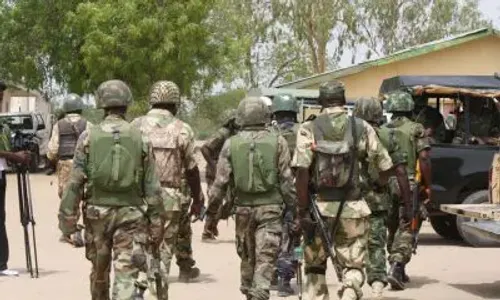
Security worries have become a daily headline in Nigeria, and the pressure is now coming from across the Atlantic. Earlier this week, members of the US Congress sat down with their Nigerian counterparts to hash out a plan against the wave of kidnappings and the alleged targeting of Christians. The meeting, held virtually, signals a rare joint effort to confront a crisis that’s unsettling families from Lagos to the north‑east.
What Prompted the Talk?
Over the past year, abductions have spiked dramatically. Farmers, school children, and even high‑profile businessmen have found themselves in the cross‑hairs of bandits and insurgent groups. At the same time, churches in several states have reported harassment, prompting accusations of religious persecution. These twin threats have forced the Nigerian Senate and House of Representatives to seek external advice and support.
The Virtual Session in Detail
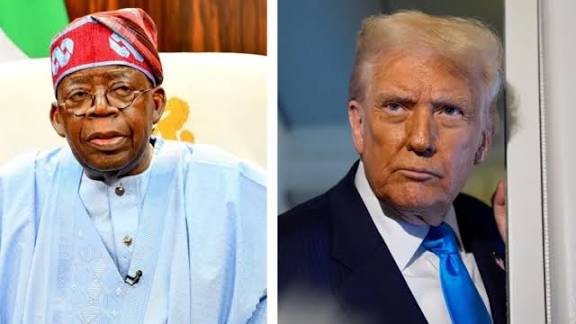
Representatives from the US House Committee on Foreign Affairs, led by Rep. Gregory Meeks, joined senior Nigerian legislators, including Senator Shehu Sani and House member Hon. Okechukwu Nwosu. The dialogue lasted close to two hours, with each side presenting data, personal testimonies, and policy suggestions.
Key agenda items included:
- Mapping kidnapping hotspots and sharing intelligence‑gathering techniques.
- Exploring avenues for US‑funded training of Nigerian security forces.
- Discussing the protection of religious minorities under international human‑rights frameworks.
Major Concerns Raised by Nigerian Lawmakers
Senator Sani warned that the lack of coordinated response among the army, police, and vigilante groups is worsening the crisis. He also highlighted the erosion of public trust, noting that many citizens now prefer to pay ransom rather than rely on state protection.
Hon. Nwosu added that churches in the south‑east have faced “unlawful interference,” urging the US to help Nigeria honour its constitutional guarantee of freedom of worship. Both lawmakers asked for concrete steps to curb the flow of illicit weapons that fuel the violence.
US Perspective and Offers of Assistance
Rep. Meeks acknowledged the depth of the problem and pledged that the US would look into expanding the existing Counter‑Terrorism Cooperation Program. He also suggested a joint task‑force that could provide technical assistance on hostage‑negotiation protocols and community‑based early warning systems.
In addition, the US delegation hinted at possible humanitarian aid for families displaced by kidnappings, as well as scholarships for Nigerian security officers to study counter‑insurgency tactics abroad.
Potential Paths Forward
Both sides agreed that a multi‑pronged approach is essential. Recommendations floated during the session included:
- Creating a dedicated inter‑agency command centre in Abuja to streamline intelligence sharing.
- Launching a public‑awareness campaign that educates citizens on how to report suspicious activity safely.
- Establishing a legal framework that fast‑tracks the prosecution of kidnapping cases.
- Setting up a monitoring committee that involves civil‑society groups and religious leaders to ensure transparency.
Implementation, however, will depend on political will and budgetary allocations from the Nigerian government, as well as continued diplomatic engagement from Washington.
Why This Really Matters
When kidnappers strike, it’s not just a ransom number on a spreadsheet – families are torn apart, schools shut down, and the economy stalls. The alleged persecution of Christians adds a layer of social tension that can ignite broader sectarian divides. By pulling in US expertise and resources, Nigeria gains a chance to break the cycle of fear and restore confidence in its institutions.
Moreover, a successful partnership could set a precedent for tackling other cross‑border security challenges, from piracy in the Gulf of Guinea to cyber‑crime. In a continent where external support is often viewed with suspicion, transparent cooperation can showcase how global allies can respect sovereignty while offering tangible help.
Looking Ahead
The next steps will involve drafting a joint action plan, securing funding, and rolling out pilot projects in the most affected states. Nigerians will be watching closely to see if the promises translate into fewer headlines about missing persons and more stories of safe returns.
What do you think – can this US‑Nigeria collaboration finally curb the kidnapping epidemic and protect religious freedom, or will it become another diplomatic footnote?