Tinubu Vows Nigeria Will Defy Trump’s ‘CPC’ Claim, Calls for Unity
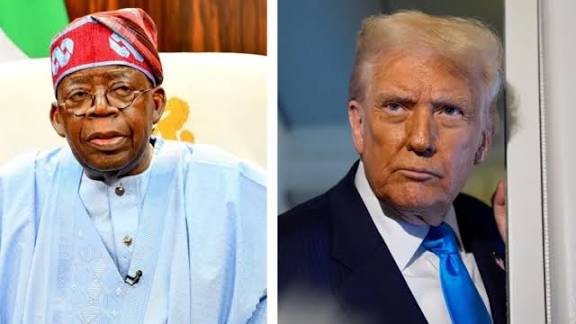
When former US President Donald Trump labeled Nigeria as a “CPC”, the reaction in Abuja was swift and fierce. President Bola Ahmed Tinubu took to the Federal Executive Council (FEC) podium, promising that the nation would rise above the remark and stay on course. The declaration sparked a wave of chatter on Twitter, with many Nigerians wondering what the comment truly meant for the country’s image.
What Prompted the Statement
Trump’s comment emerged during a heated interview where he was asked about Africa’s role in global politics. Instead of offering a nuanced view, he tossed out the acronym CPC, a term that many interpreted as a jab at Nigeria’s governance and economic standing. The remark was not part of any official US policy, but it landed like a stone in a pond, rippling across Nigerian media outlets.
President Tinubu’s Reaction at the FEC
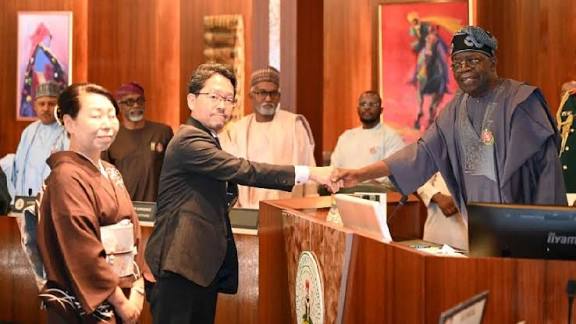
During the same meeting that saw the swearing‑in of Ministers Bernard Doro and Kingsley Udeh, Tinubu addressed the council with calm resolve. He dismissed Trump’s label as “baseless” and reaffirmed that Nigeria’s democratic credentials remain strong. The president reminded his ministers that the country’s progress is measured by its own people, not by foreign pundits.
He also highlighted recent strides in infrastructure, agriculture, and digital innovation, insisting that these achievements speak louder than any outsider’s criticism. By anchoring his response in concrete developments, Tinubu aimed to shift the narrative from a fleeting insult to a showcase of national resilience.
Political Implications at Home
The president’s remarks have a dual purpose: they reassure a nervous public and they send a signal to opposition parties. By framing the issue as a matter of national pride, Tinubu hopes to rally both his party members and undecided voters around a common cause. This tactic mirrors past strategies where external criticism was turned into a unifying domestic force.
Moreover, the FEC gathering served as a platform to reinforce the administration’s agenda on anti‑corruption and economic diversification. Tinubu urged the newly appointed ministers to stay focused on delivering results that will silence doubters, whether they sit in Lagos or Washington.
International Repercussions
While Trump’s comment was largely symbolic, it underscores the fragile nature of Nigeria’s diplomatic image. Foreign investors often watch such statements for hints of instability. Tinubu’s quick rebuttal, however, may reassure stakeholders that the government is vigilant and ready to protect the nation’s interests.
Analysts note that the United States still maintains strong trade ties with Nigeria, especially in oil and gas. A single off‑hand remark is unlikely to derail those relationships, but consistent negative framing could erode confidence over time. Tinubu’s call for unity, therefore, doubles as a diplomatic reminder that Nigeria will not be easily swayed by external noise.
Why This Really Matters
Beyond the headline, the episode highlights a deeper reality: Nigeria’s reputation is a shared asset that every citizen helps shape. When a foreign leader brands the country in a derogatory way, it tests the government’s ability to defend national dignity while continuing to address internal challenges like unemployment, insecurity, and infrastructure gaps.
For ordinary Nigerians, Tinubu’s stance is a reminder that their voices matter. By turning a foreign slight into a rallying cry, the administration hopes to inspire collective action—whether it’s supporting local businesses, participating in civic duties, or simply staying informed. The true victory, in Tinubu’s view, will be a Nigeria that thrives on its own terms, irrespective of any external label.
What do you think about the president’s response and the broader impact of such foreign comments on Nigeria’s future?