Shoprite Stores Shut in Ibadan, Ilorin as Shelves Go Empty in Lagos, Abuja
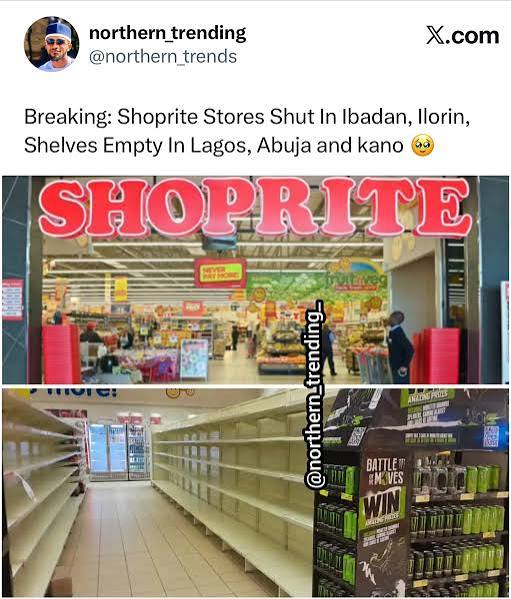
Shoprite, Nigeria’s largest supermarket chain and once the pride of modern retail shopping in the country, is now facing serious struggles that threaten its very survival. Investigations reveal that branches in Ilorin and Ibadan have been completely shut down, while customers in Lagos and Abuja walk into stores with nearly empty shelves, a sharp contrast to the vibrant shopping atmosphere that once defined the outlets.
A Giant in Trouble
Since opening its first store in 2005, Shoprite quickly became a household name in Nigeria. Beyond just offering imported goods, it created thousands of jobs for Nigerians, ranging from cashiers and attendants to suppliers and cleaners. The supermarket also gave many local farmers and small businesses a stable outlet to sell their products, thereby supporting the agricultural value chain.
But in recent years, Nigeria’s tough economic climate—marked by high inflation, unstable exchange rates, and supply chain disruptions—has made it increasingly difficult for Shoprite to sustain operations. The rising cost of goods, high rents in malls, and stiff competition from smaller local supermarkets have compounded the crisis.
Empty Shelves, Growing Uncertainty
At the Ikeja City Mall in Lagos, customers have been left in shock as shelves remain nearly bare. Products that used to be easily available are now missing, while only a few items linger at high prices. For many shoppers, it is a clear sign that the once-dominant retail chain is losing its grip.
Staff members, however, insist that Shoprite is not leaving Nigeria. They explained that new management is currently renegotiating deals with suppliers and working on strategies to stabilize product availability. But customers remain doubtful, pointing out that weeks have passed with little improvement.
ATTENTION: GET MORE UPDATES ABOUT SCHOOL NEWS AND SCHOLARSHIP UPDATES
Economic Realities
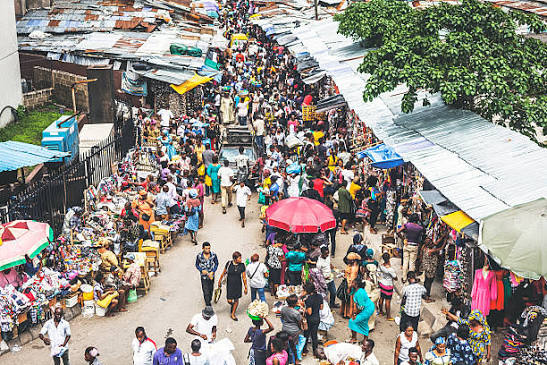
Experts believe that Shoprite’s troubles are a reflection of Nigeria’s wider economic problems. As inflation continues to bite and consumer purchasing power weakens, many shoppers now prefer cheaper local markets over malls. The decline in patronage has hit big supermarkets hard, making it difficult for them to cover their high operating expenses.
The Future of Shoprite in Nigeria
The situation has sparked fears that Shoprite may eventually follow the path of other foreign businesses that have left Nigeria in recent years. For many Nigerians, this possibility is worrying because Shoprite has been more than just a supermarket—it has been a lifestyle choice, a social hangout spot, and a source of employment.
Now, with outlets in Ibadan and Ilorin already gone and Lagos and Abuja stores hanging by a thread, the future of Shoprite in Nigeria looks highly uncertain. Whether the company will successfully bounce back through restructuring or fade away as another casualty of Nigeria’s tough economy remains to be seen.
👉 What’s your opinion on Shoprite’s current struggles—do you think it can bounce back, or is this the beginning of the end? Leave your comments below, we’d love to hear your thoughts!