Long-Term Debt Reforms Urged Amid Nigeria’s Debt Crisis: Gender-Sensitive Budgeting Becomes Central
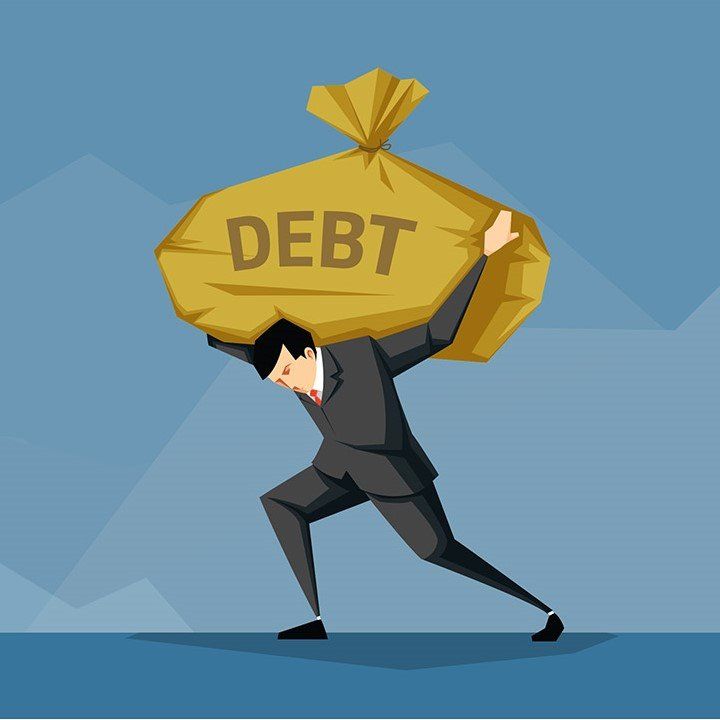
Nigeria’s mounting debt burden continues to spur calls from researchers, civil society, and policy analysts for radical reform in how government budgets are prepared and debts are managed. While external borrowing has helped plug gaps in budgets, experts now warn that without improved transparency, home-grown fiscal systems, and attention to vulnerable groups, the debt crisis may undermine long-term stability.
A key recommendation emerging from recent studies is that Nigeria needs to adopt more gender-sensitive budgeting. This approach ensures that public spending and debt service burdens do not disproportionately harm women and youth, who often suffer more under austerity measures. The idea is that budgeting decisions should explicitly consider which demographics will be disadvantaged by cuts or tax increases.
Experts also argue Nigeria is overly dependent on foreign currency-denominated debt, which exposes the country to exchange rate risk. When the naira declines, servicing external obligations becomes more expensive, further escalating fiscal pressure. Emphasis has thus been placed on shifting more borrowing to domestic sources, where possible, to reduce vulnerability to FX volatility.
Another strategy is to use debt-for-development swaps — where portions of debt repayments are redirected into social investments such as education, health, or infrastructure — but with strong accountability and impact metrics. This would allow debt obligations to deliver development outcomes rather than simply eat into revenue.
Budget reforms are also needed to improve tax systems (making collections more efficient, fair, and less skewed toward the already better-off), ensure credible budget implementation (closing gaps between budgeted amounts and what is actually spent), and officially integrate measures for aiding marginalized populations. Experts believe this will help address structural underinvestment in social sectors and help reduce inequality.
In short, restoring sustainable development in Nigeria will require political will to not only borrow prudently, but to budget with equity, enforce transparency, and reorient fiscal priorities so that debt helps, rather than hurts, especially those most in need.