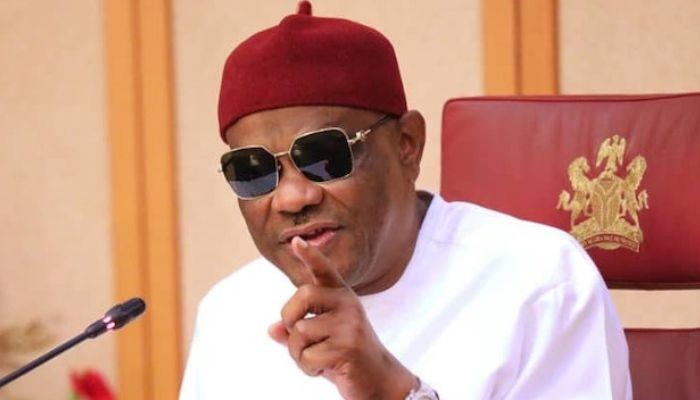
Sim Fubara’s Shock Jump to APC: What It Means for Rivers, Wike and the South‑South
Picture this: one morning the whole of Rivers woke up to the news that Governor Sim Fubara, the man who just rode the wave of a lifted state of emergency, has officially dumped the PDP for the APC. The tweet blew up faster than a Lagos traffic jam, and the nation started asking – why now, and what’s next for Nyesom Wike?
Fubara’s Defection: The Timeline in a Nutshell
It all started after the PDP threw out its own heavyweight, Nyesom Wike, sparking rumours that the former governor was sweating bullets as his grip on the party slipped. Within days the entire Rivers State Assembly jumped ship to the APC, turning the chamber into a sea of blue and red banners. Barely a week later, Fubara followed suit, announcing that the PDP “couldn’t protect me” and that it was wiser to back President Bola Ahmed Tinubu “full‑on” rather than from the sidelines.
Why Analysts Call It Shameful Yet Necessary
Political pundits are split. Some label the move as a “shameful betrayal” of the PDP’s ideals, while others argue it’s a pragmatic step to curb Wike’s growing influence in the President’s All‑Things (PBAT) agenda. The logic is simple: by aligning with Tinubu, Fubara puts himself under the President’s protective wing, giving him a fighting chance at a second term if he plays his cards right.
Implications for Wike and the South‑South
Wike’s ouster from the PDP left him looking like a fish out of water, and analysts say his relevance to PBAT is fading fast. The defection of the Rivers Assembly and now the governor signals that the South‑South may be “BATIFIED” – a term coined for governors who have officially pledged loyalty to Tinubu’s APC. Critics warn this could steer Nigeria toward a de‑facto one‑state party system, eroding the multiparty vibe that has defined our politics for decades.
What This Means for the 2027 Race
Before the state of emergency was lifted, reports floated that Fubara had agreed to serve only a single term, with strict limits on appointing aides or local government chairmen. Those promises now sit on shaky ground, especially with the governor sitting comfortably under the APC banner. If he can deliver on development and stay in Tinubu’s good books, a 2027 re‑election bid could become a reality – a scenario that would reshape the power map of the Niger Delta.
Bottom Line: Nigeria’s Party Landscape in Flux
Fubara’s move is more than just a personal switch; it’s a bellwether for how the South‑South is re‑aligning itself in the post‑Wike era. While some fear a drift toward a one‑party dominance, others see a strategic coalition that could bring stability to a region long plagued by political infighting. As the story unfolds, keep your eyes on the streets, the tweets, and the polling units – because every shift now could echo loudly in the 2027 elections.
For real‑time updates and tech‑driven election watchdogs, follow @Citizenmonitors, who are using innovative tools to lock down polling units and ensure transparency across the nation.