Fani‑Kayode Warns Nigeria to Tread Carefully on US Anti‑Terror Aid
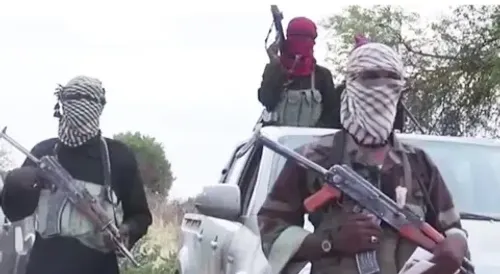
When news broke that Washington is eyeing a deeper partnership with Nigeria to combat terrorism, many Nigerians cheered, hoping for a stronger shield against the Boko‑Harbor menace. Yet former aviation minister Femi Fani‑Kayode has stepped in, reminding the nation that foreign help comes with strings attached.
Background of US‑Nigeria Security Ties
For years the United States has provided training, equipment and intelligence to the Nigerian military, especially after the rise of Boko Haram in 2009. Joint exercises, drone surveillance and scholarship programmes have become part of the bilateral playbook, and Abuja has often welcomed the extra firepower.
However, each new wave of assistance has sparked debate in the Senate and among civil society groups, who worry about sovereignty, accountability and the long‑term cost of reliance on foreign aid.
What Fani‑Kayode Is Saying
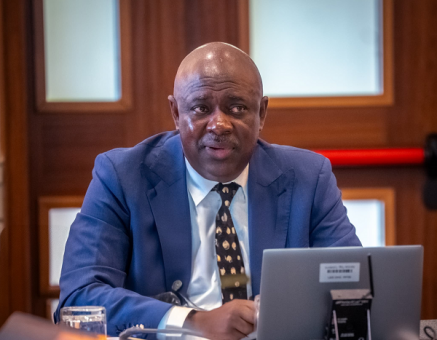
Speaking at a recent press conference, Fani‑Kayode cautioned that Nigeria should “accept US support with a pinch of salt”. He argued that while the fight against terrorism is urgent, the country must not surrender strategic decision‑making to an external power.
According to the former minister, blind acceptance could open doors for hidden agendas, policy manipulation and even a loss of control over our own security apparatus.
Potential Benefits of US Assistance
There’s no denying that American technology—such as advanced drones and real‑time intelligence—could give the Nigerian army a decisive edge in the Lake Chad basin. The infusion of funding could also help refurbish dilapidated bases and train troops in modern counter‑insurgency tactics.
Moreover, a tighter US‑Nigeria partnership might improve Nigeria’s standing with other Western donors, unlocking more development projects beyond the battlefield.
Risks and Reservations
On the flip side, dependence on US gear may erode indigenous capability building. Critics point out that equipment often comes with maintenance contracts that Nigeria must pay for, stretching already thin defence budgets.
There’s also the geopolitical angle: aligning too closely with Washington could strain Nigeria’s ties with other regional powers like Turkey, China or the Gulf states, who are also eager to invest in African security.
- Loss of operational autonomy
- Potential for mission creep beyond Nigeria’s borders
- Public perception of foreign interference
Why This Really Matters
The stakes go beyond military hardware. Nigeria is Africa’s biggest economy and a regional stabiliser; how it navigates foreign security aid sets a precedent for the whole continent. If Abuja walks into an agreement without clear safeguards, it may find itself answering to foreign policymakers on matters that affect the lives of millions of Nigerians.
Conversely, a well‑crafted partnership could boost confidence among citizens who have grown weary of endless attacks, and signal that the government is doing everything possible to protect markets, schools and places of worship.
Looking Ahead
Fani‑Kayode’s warning is a call for a balanced approach: negotiate terms that protect national sovereignty, demand transparent reporting, and ensure that any US‑provided equipment is matched with local capacity building.
Stakeholders—from the Ministry of Defence to civil society watchdogs—must sit down, hash out the fine print, and keep the public in the loop. Only then can Nigeria reap the benefits of external support without compromising its own strategic interests.
What do you think, Nigerians? Should the government embrace US anti‑terror help, or should it chart its own course to safeguard the nation’s future?