Obasanjo Says Nigeria Can Seek International Aid Without Apology Over Insecurity
When the nation’s security woes keep spiralling, even the most seasoned politicians step in to speak their mind. Former President Olusegun Obasanjo has just reminded every Nigerian that asking for help beyond our borders is not a sign of weakness, but a pragmatic move. His blunt declaration comes at a time when kidnappings, banditry and insurgency dominate headlines across the country.
What Obasanjo Said
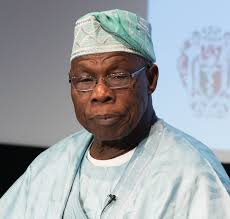
Speaking at a recent gathering of traditional rulers and security experts, Obasanjo warned that the country cannot afford to stay isolated while the menace spreads. He stressed that no Nigerian owes anyone an apology for reaching out to the international community for support, whether it be intelligence sharing, training, or even direct intervention. “We are a sovereign nation, but sovereignty does not mean we must fight every battle alone,” he declared.
Context of Nigeria’s Security Challenges
In the past year, the north‑east has seen a surge in Boko Harbour attacks, while the north‑west grapples with bandit groups that kidnap schoolchildren and farmers. The south‑south, though less affected, still feels the ripple effects of oil‑related crimes and communal clashes. These crises have strained the already stretched Federal Police, the Army and the newly formed Civilian Joint Task Force.
Many Nigerians feel the government’s response is sluggish, prompting a growing call for external expertise. The sentiment is not new—previous administrations have occasionally invited foreign advisers, yet critics often label such moves as “selling out.” Obasanjo’s statement aims to shift that narrative.
International Assistance Options
There are several pathways Nigeria could explore to bolster its security apparatus:
- Technical training programmes with countries that have successfully countered insurgency, such as Israel or the United Kingdom.
- Intelligence exchange agreements to track cross‑border movements of armed groups.
- Joint patrols in hotspot regions, especially along the Niger and Chad borders.
- Humanitarian aid and reconstruction projects to win hearts and minds in conflict‑affected communities.
Public Reaction
The reaction on social media has been a mix of approval and scepticism. Some users applauded Obasanjo for “speaking the truth that many are too scared to voice.” Others warned that foreign involvement could come with hidden strings, citing past experiences in other African nations where external aid turned into political leverage.
Nevertheless, a common thread runs through most comments: the desire for a safer Nigeria. Youth groups, especially those from the #EndInsecurity movement, have echoed Obasanjo’s call, urging the government to act swiftly and not be hindered by nationalist pride.
Why This Really Matters
Security is the backbone of any nation’s development. When families live in constant fear, schools close, businesses shutter, and foreign investors pull back. By opening the door to international cooperation, Nigeria could accelerate the restoration of peace, revive its economy, and restore confidence among its citizens and abroad.
Moreover, embracing help does not diminish Nigeria’s sovereignty; rather, it showcases a mature leadership that prioritises the lives of its people over political posturing. In a continent where collaborative security efforts are becoming the norm, Nigeria’s willingness to partner could set a precedent for regional stability.
Looking Ahead
As the government weighs its options, the onus now lies on policymakers to translate Obasanjo’s words into concrete actions. Whether it’s signing bilateral agreements, inviting foreign trainers, or establishing joint task forces, the next steps will determine if the country can finally curb the tide of violence.
One thing is clear: the conversation about external assistance is no longer taboo—it’s a necessary part of the solution.
What do you think, Nigerians? Should our leaders welcome foreign help to fight insecurity, or does that risk compromising our autonomy?