General Musa Takes Defence Helm, Promises Fresh Push Against Nigeria’s Security Crisis
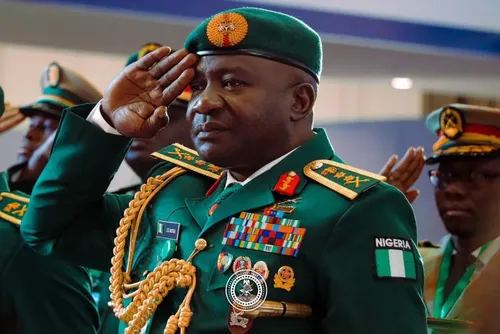
When President Bola Tinubu announced the appointment of retired General Mohammed Musa as Nigeria’s new Minister of Defence, the reaction was swift and mixed. Nigerians from Lagos market stalls to Kano’s motor parks took to Twitter, WhatsApp groups and town squares, wondering whether a seasoned soldier could finally untangle the nation’s security nightmare. With insurgency in the North, banditry roaming the West, militancy in the Niger Delta and a surge in cyber‑crime, the stakes have never been higher.
Who Is General Musa?
General Mohammed Musa spent three decades in the Nigerian Army, rising through the ranks to become Chief of Army Staff before his retirement in 2023. Known for his disciplined approach and no‑nonsense leadership, he led successful operations against Boko Haram in the northeast and played a key role in the joint task force that curbed large‑scale cattle rustling in the northwest. His reputation for hard‑earned respect among troops and his close ties with former defence chiefs have made him a familiar face in security circles.
Beyond the battlefield, Musa is praised for his academic credentials – a master’s degree in Strategic Studies from the National Defence College and several courses on cyber‑security and counter‑terrorism. This blend of field experience and classroom knowledge is exactly what many analysts say Nigeria needs at the top of the defence ministry.
The Multifaceted Security Threats
Nigeria’s security landscape today looks like a tangled web, with each strand pulling the country in a different direction. Below are the most pressing challenges that Musa inherits:
- Insurgency: Boko Haram and its splinter groups continue to launch attacks in Borno, Adamawa and Yobe, displacing millions.
- Banditry: Armed gangs roam the north‑west, kidnapping, looting and killing civilians for ransom.
- Militancy: The Niger Delta remains volatile as groups demand greater revenue sharing and environmental remediation.
- Separatist unrest: Agitations in the southeast, especially around the Indigenous People of Biafra (IPOB), have sparked occasional clashes with security forces.
- Cyber‑crime: Nigeria now ranks among the world’s top sources of online fraud, with hackers targeting banks, government portals and private enterprises.
Each of these threats operates with its own tactics, funding sources and political implications, making a one‑size‑fits‑all solution impossible.
Musa’s Strategic Blueprint
In his first press briefing, General Musa outlined a four‑pillar strategy aimed at restoring stability:
- Integrated Operations: He vows to create joint task forces that combine army, navy, air force and police units, ensuring intelligence is shared in real time.
- Community Engagement: Musa plans to revive the “Traditional Ruler Liaison” program, leveraging local chiefs and community leaders to gather early warnings and build trust.
- Modernisation & Training: A budget increase for new equipment, drones and cyber‑defence labs will be paired with intensive refresher courses for troops.
- Legal & Economic Measures: Working with the Ministry of Justice, he intends to tighten laws against cyber‑fraud and introduce faster prosecution for kidnappers and bandits.
He also hinted at a “National Security Council” revamp, giving the president a tighter grip on security coordination while allowing the defence minister more operational autonomy.
Potential Hurdles and Public Expectations
Even the best‑crafted plan can stumble over reality. Budget constraints remain a major obstacle; Nigeria’s oil‑dependent economy has been hit hard by global price fluctuations, limiting funds for new hardware. Corruption scandals in the past have eroded public confidence, and any perceived favouritism in awarding contracts could reignite protests.
Moreover, the human rights record of the armed forces is under intense scrutiny. Civil society groups demand that any crackdown on insurgents or bandits respects civilian safety and adheres to international law. Balancing decisive action with accountability will be Musa’s tight‑rope walk.
On the flip side, Nigerians are hungry for results. After years of “talk‑talk” without tangible improvement, many see Musa’s appointment as a genuine chance for change. Social media chatter is already buzzing with hopeful hashtags like #MusaForPeace and #SecureNaija.
Why This Really Matters
The defence ministry sits at the heart of Nigeria’s stability, economic growth and international reputation. A safer environment would encourage foreign investors, boost tourism in places like Calabar and Jos, and allow farmers to harvest without fear of bandit raids. It would also free up resources currently diverted to emergency responses, enabling the government to focus on education, health and infrastructure.
In addition, a strong defence posture can curb the brain‑drain of young Nigerians who flee the country because they feel unsafe. By restoring confidence at home, the nation can retain its vibrant talent pool and turn the demographic dividend into a real economic engine.
Ultimately, General Musa’s success or failure will ripple far beyond military barracks; it will shape the everyday lives of traders, students, mothers and entrepreneurs across the federation.
Do you think General Musa has what it takes to steer Nigeria out of its security quagmire, or are deeper reforms needed before any real change can happen?