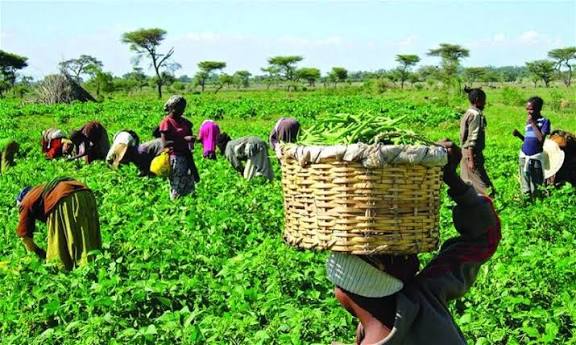
US-Nigeria Agricultural Trade Set to Surpass $700 Million by 2025
Imagine seeing a fresh cargo of American wheat docked at Lagos ports, signalling that the trade bond between Nigeria and the United States is about to break the $700 million mark. That’s the buzz swirling around the agri‑sector right now, and it’s not just about grain – it’s about opportunities for our local farmers, processors and consumers.
What’s Fueling the Surge
Recent data from both governments shows a steady climb in bilateral agricultural exchanges, and the latest shipments of U.S. wheat are the tip of the iceberg. The United States has been keen to diversify its export markets, while Nigeria is looking to close the gap between demand and domestic production, especially for staple foods.
Both sides have signed memoranda of understanding that cut red tape, making it easier for exporters to move goods across the Atlantic. In addition, favourable forex policies and a modest easing of import duties have sweetened the deal for Nigerian importers.
Key Commodities on the Table
While wheat is making headlines, it’s only one piece of the puzzle. The trade basket also includes:
- Corn and soybeans for animal feed
- High‑quality dairy inputs like whey protein
- Specialty oils and nuts for the food processing industry
- Agricultural machinery and spare parts
These items are crucial for boosting local food processing capacity and reducing reliance on cheaper, often lower‑quality imports.
Benefits for Nigerian Farmers
Local farmers stand to gain in several ways. First, the influx of affordable wheat and feed ingredients can lower production costs for poultry and livestock operations, translating to cheaper meat and eggs for the average consumer.
Second, the partnership opens doors for technology transfer. American firms are keen to showcase precision farming tools, seed varieties that resist pests and drought‑tolerant crops – all of which could help our farmers increase yields.
Challenges Ahead
Despite the rosy outlook, there are hurdles to clear. Logistics remain a pain point; congested ports and inconsistent road networks can delay deliveries and raise costs.
Currency volatility is another concern. While the current forex regime is supportive, any sudden devaluation could erode profit margins for importers and, ultimately, for consumers.
Lastly, there’s a need for robust quality control. Ensuring that imported grains meet Nigerian standards will protect both health and market confidence.
Why This Really Matters
Cross‑border agri‑trade of this magnitude isn’t just a number on a spreadsheet; it’s a lifeline for food security. By securing a steady flow of quality inputs, Nigeria can reduce its dependency on erratic local harvests and mitigate the impact of climate shocks.
Moreover, the revenue generated from this trade can be reinvested into rural infrastructure – better storage facilities, cold chains and farm‑to‑market roads – which in turn creates jobs and stimulates local economies.
In a country where over 70% of the workforce is engaged in agriculture, a $700 million trade pipeline can be a catalyst for modernising the sector and lifting millions out of poverty.
Looking Forward
Stakeholders are already eyeing the next steps: expanding the range of exported commodities, encouraging joint ventures between Nigerian agribusinesses and U.S. firms, and setting up training programmes for young farmers.
If the momentum is maintained, we could see the trade value crossing the $1 billion threshold within the next few years – a game‑changer for the nation’s food agenda.
What do you think about this growing US‑Nigeria agricultural partnership, and how do you see it shaping everyday life for Nigerians?