Wizkid vs Banky W: Who Really Built the Starboy Empire?
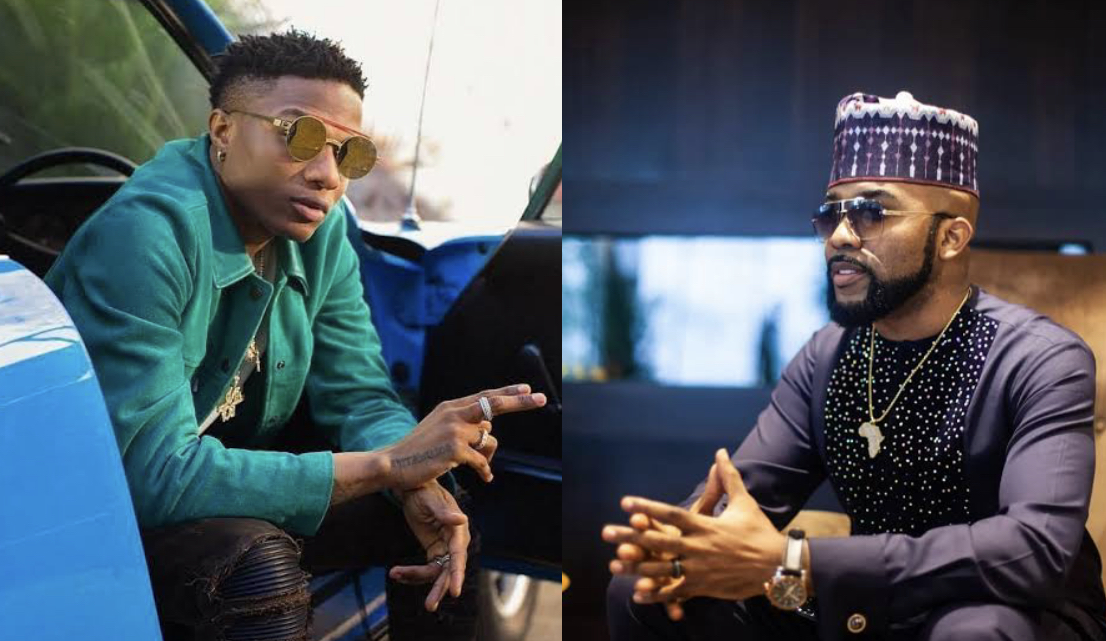
When the 90‑second HBO trailer for Starboy: The Rise of Wizkid hit the internet, the reaction was louder than a Lagos traffic jam at rush hour. The young maestro claimed he was 90 % responsible for his own success, while fans of the veteran producer‑artist Banky W were already sharpening their knives, accusing the global superstar of trying to erase the very blueprint that lifted him out of the streets of Lagos. The drama has turned the comment sections of Twitter, Instagram, and even the local cable TV lounges into a full‑blown debate: is Wizkid a self‑made king or a grateful disciple?
The Blueprint Claim – What the Trailer Said
In the teaser, Wizkid—now known worldwide as Starboy—talks straight to the camera, saying he had “no blueprint, no structure” and that he had to “build his own.” He even drops the line that he’s been called a “National Hero.” The clip is slick, the music is thumping, and the message feels like a swagger‑filled proclamation of independence.
Fans of Banky W, however, were quick to point out that the young singer’s story is not that simple. For them, the word “hero” belongs to the man who first opened the studio doors for a teenage kid who was “always hanging out, begging for a free session,” as Banky himself recounted in an old interview. According to them, the blueprint was there from day one – a mentorship that turned a raw talent into a chart‑topping machine.
How It All Started – From Backup Singer to Global Sensation
Back in 2009, Banky W signed a five‑year contract with a young Ayodeji (Wizkid’s real name) under the EME (Empire Mates Entertainment) label. The agreement was supposed to span five albums, but the partnership fizzled after just two. During those years, the teenage Wizkid was a backup vocalist for Banky’s shows, learning the ropes of studio work while still writing melodies in the corners of Lagos studios.
In a candid interview years later, Wizkid admitted he left EME with “nothing.” He said the label made millions off his hits, yet his pocket was empty when he walked out. The narrative that emerged was that he built his own structure from the age of 11, churning out hit after hit for EME, only to walk away with ₦0.00 in his bank account.
Banky, for his part, told the story of a young kid who would “always be hanging out, begging and hoping they’d give him a free session.” He saw potential, took the lad under his wing, and gave him the platform that most Nigerian youths can only dream of. The veteran’s version paints a picture of a mentorship that was as much about guidance as it was about business.
The 90 % Debate – Who Did the Heavy Lifting?
When the HBO trailer says Wizkid is 90 % responsible for his own success, many fans argue it’s technically correct. The artist has been making music since he was eleven, honing his sound, and mastering the art of the hook long before the world knew his name. Yet the same fans point out that the “structure” – the studio, the producers, the marketing machine – was largely supplied by Banky and EME.
Critics of Wizkid’s claim argue that he left EME in a “slave deal,” meaning he walked out of a contract that was supposed to guarantee him five albums but only delivered two. They say the young star had to start from scratch, rebuilding his brand without the safety net of a label, which is why he feels justified in saying he did most of the work.
On the flip side, neutral observers suggest holding judgment until the full documentary drops on 11 December. They argue that a 90‑second trailer can’t capture the nuance of a decade‑long partnership, the legal intricacies of contracts, and the emotional bond that often exists between mentor and protégé.
What the Fans Are Saying – Social Media Heat
Twitter exploded with #BankyWizkidWar trending across Nigeria. Some users posted nostalgic clips of Banky’s early videos, reminding everyone that without “Banky’s house,” there would be no “Wizkid’s palace.” Others defended the Starboy’s right to claim ownership of his craft, sharing screenshots of Wizkid’s old interview where he confessed leaving EME with “nothing.”
One popular meme read, “Wizkid: I built my own house. Banky: I gave you the land.” The humor underscores a deeper truth: in the Nigerian music scene, mentorship often blurs with business, and the line between gratitude and entitlement can be razor‑thin.
Even the entertainment blog FC (Femi’s Corner) chimed in, suggesting that while Wizkid did indeed walk out with no money, the “slave deal” narrative is a bit exaggerated. They noted that contracts in the Nigerian industry are notoriously vague, and many artistes leave with both debts and blessings.
Where Does the Story Go From Here?
With the full documentary slated for release on 11 December, both camps are gearing up for a deeper dive. If the film leans heavily on Wizkid’s personal narrative, it could cement his claim of self‑made success. If it highlights Banky’s role in discovering and nurturing the talent, the public may swing back in favour of the veteran.
For now, the conversation is alive on every platform – from the streets of Surulere to the digital lounges of Abuja. Nigerians are waiting, popcorn in hand, to see which version of the story will dominate the headlines.
What This Means for Upcoming Artists
The saga is more than celebrity gossip; it’s a lesson for anyone trying to break into the music business. It shows the importance of understanding contracts, valuing mentorship, and knowing when to claim your own agency. As the industry evolves, tools like AI‑driven music production platforms (check out @getDistinction for courses) are giving new artistes the power to build structures without relying solely on a label.
Whether you’re a budding producer, a singer‑songwriter, or just a fan who loves a good drama, the Wizkid‑Banky saga reminds us that every success story has many chapters – some written in the studio, others in the courtroom, and many more in the hearts of fans who keep the conversation alive.
Final Thoughts – Who Owns the Legacy?
At the end of the day, the truth probably sits somewhere in the middle. Wizkid’s talent was undeniable from a young age, but the platform, exposure, and industry know‑how he received from Banky W and EME were the scaffolding that let his star shine brighter. As Nigerians, we love a good underdog story, but we also respect the elders who paved the way.
So, as the documentary rolls out, let’s keep the dialogue respectful, celebrate the music that puts Nigeria on the global map, and remember that in this industry, every king needs a kingdom – and sometimes, a wise old wizard to hand over the crown.