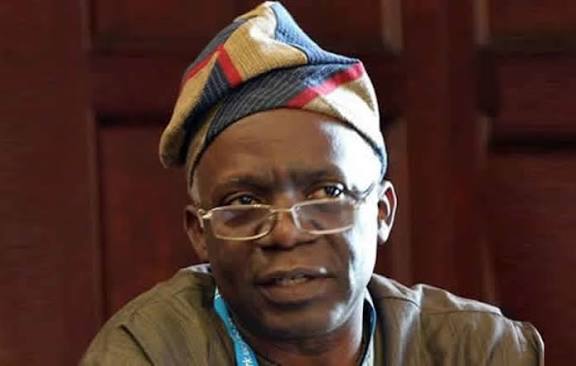
Falana Warns: Nigeria Must Tackle Poverty and Insecurity Before Leading West Africa’s Anti‑Coup Fight
Human rights lawyer Femi Falana has sounded a stark alarm: Nigeria cannot hope to curb the wave of coups rippling across West Africa while its own streets are riddled with poverty and insecurity. In a recent interview, the veteran activist warned that the nation’s credibility on the regional stage hinges on fixing home‑grown crises first.
Falana’s Core Message
Falana, known for his outspoken defence of civil liberties, argued that the West African bloc is looking to Nigeria for leadership, yet the country is battling an internal storm. He stressed that without addressing the daily struggles of ordinary Nigerians, any external diplomatic push against military takeovers will ring hollow.
Why Coups Are Spreading in West Africa
The past year has seen a spate of military interventions in nations such as Mali, Burkina Faso and Guinea. Analysts point to a mix of weak institutions, chronic unemployment, and a lack of trust in civilian governments. When citizens feel abandoned, the military often steps in, promising order and stability.
Nigeria’s Domestic Challenges
While neighbours wrestle with coups, Nigeria wrestles with its own set of woes:
- Poverty: More than 40% of Nigerians live below the poverty line, according to recent statistics, making basic needs a daily battle.
- Insecurity: Boko Haram in the North, banditry in the Northwest, and kidnappings in the South‑East keep citizens on edge.
- Political Gridlock: Persistent partisan fights in the National Assembly stall critical reforms and fuel public disillusionment.
These issues are not isolated; they feed each other, creating a fertile ground for unrest.
What Needs to Change at Home
Falana outlined a roadmap that, if embraced, could restore Nigeria’s standing:
- Boost social welfare programmes to lift the most vulnerable out of extreme poverty.
- Re‑equip and retrain security forces, ensuring they protect civilians rather than intimidate them.
- Accelerate anti‑corruption drives, making public funds reach schools, hospitals and infrastructure projects.
- Foster inclusive politics by encouraging youth participation and giving women a stronger voice in decision‑making.
He also urged the government to listen to civil society, saying that lasting peace comes from a partnership between the state and its people.
Regional Implications
If Nigeria continues to ignore its internal decay, the ripple effect could be disastrous for the entire sub‑region. As the country’s economy remains Africa’s largest, its instability could deter foreign investment, depress trade, and embolden rogue military factions elsewhere.
Why This Really Matters
The stakes go beyond politics; they touch everyday Nigerians. A stable, prosperous Nigeria can act as a bulwark against extremist groups, create jobs for millions, and set a democratic example for its neighbours. Conversely, a nation mired in poverty and violence risks becoming a launchpad for further coups, destabilising the whole of West Africa.
Addressing these root problems is not merely a diplomatic exercise—it’s a lifeline for the millions who dream of safety, decent wages, and a future where their children can thrive without fear.
Looking Ahead
Falana’s call to action is clear: the government must prioritize the welfare of its citizens before it can credibly champion democratic ideals abroad. The question now is whether policymakers will heed this warning or continue to treat the symptoms while the disease spreads.
What do you think – can Nigeria turn the tide on poverty and insecurity in time to lead West Africa towards lasting democracy?