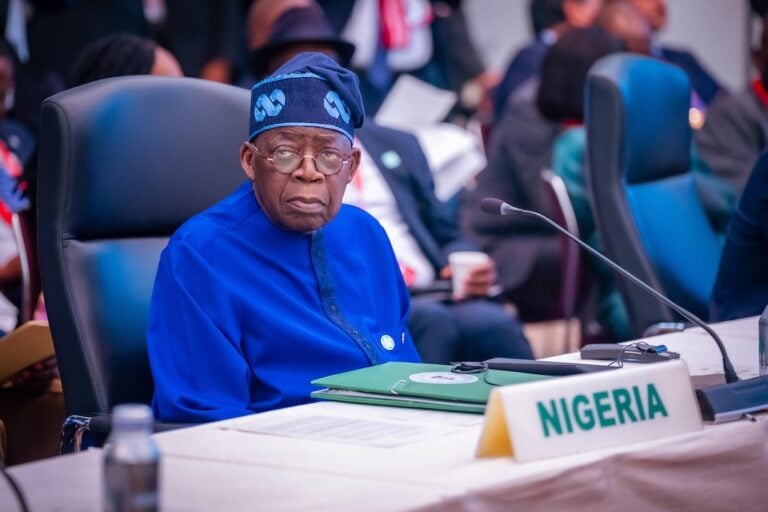
Tinubu’s Quick Action Thwarts Benin Coup Threat, Safeguarding Nigeria’s Borders
When news broke that a faction of Benin’s armed forces was plotting a sudden takeover, many Nigerians braced for a ripple effect that could hit our own security. Within hours, President Bola Tinubu, backed by the Nigeria Guard Force (NGF), moved to neutralise the danger before it could cross our porous frontier.
What Sparked the Benin Crisis
Late last week, senior officers in Benin whispered about a coup that aimed to topple President Patrice Talon’s administration. Their motive? Discontent over economic reforms and a perceived marginalisation of the military elite. The plotters allegedly gathered weapons in the northern region, close to the Nigeria‑Benin border, raising alarms in Abuja.
Analysts warned that a successful coup could destabilise the entire West African sub‑region, especially given the porous nature of our shared borders where smugglers, armed bandits, and insurgent groups already operate. Nigerians feared an influx of weapons and fighters that could exacerbate insecurity in the Niger Delta and the north‑east.
How Nigeria Reacted
President Tinubu, after consulting his security advisers, instructed the NGF to monitor the situation closely. The force deployed elite surveillance teams along the border, using drones and rapid‑response units to intercept any suspicious movement.
According to the NGF’s spokesperson, the swift Nigerian presence forced the coup plotters to abort their plans, fearing a direct confrontation with a well‑armed neighbour. Tinubu’s decisive stance, the spokesperson said, “averted a key security threat that could have spilled over into Nigeria.”
Senate’s Green Light for Troops
Recognising the gravity of the threat, the Nigerian Senate moved fast. In a rare show of unity, senators voted overwhelmingly to endorse the president’s request for a limited troop deployment into Benin’s border zones, strictly for intelligence‑gathering and joint patrols.
The legislative approval not only legitimised the operation but also sent a clear message to regional partners that Nigeria will not sit idle when neighbourly instability threatens its citizens. The deployment is set to be temporary, focused on securing the frontier while Benin’s own security agencies restore order.
ECOWAS Praise and Regional Implications
The Economic Community of West African States (ECOWAS) lauded both Nigeria’s quick reaction and the collaborative spirit shown by member states. In a statement, ECOWAS noted that “Nigeria’s role in averting the coup should become the standard for safeguarding our collective peace and stability.”
Beyond the immediate security win, the episode underscores the importance of regional cooperation. It also highlights how political stability in one West African nation can ripple across borders, affecting trade, migration, and even the flow of remittances that many Nigerian families rely on.
Why This Really Matters
For everyday Nigerians, the thwarted Benin coup is more than a headline; it is a reminder that our safety is intertwined with the fortunes of our neighbours. A successful takeover could have opened new routes for arms smuggling, intensified cross‑border kidnappings, and strained our already stretched security apparatus.
Moreover, the episode showcases the effectiveness of decisive leadership and legislative support in crisis moments. Tinubu’s swift action, backed by a united Senate, demonstrates that Nigeria can still project influence and protect its interests when regional stability hangs in the balance.
Finally, the ECOWAS endorsement signals a possible shift towards more proactive, joint security arrangements in West Africa, which could pave the way for stronger economic ties and smoother movement for traders and travelers alike.
What are your thoughts on Nigeria’s role in stopping the Benin coup – do you think this sets a new precedent for regional security cooperation?